
Introduction
We have all seen the ‘turn and talk’ model of partner dialogue fail because of the lack of intentionality or scaffolded support our students need. One student might monopolize the conversation, both students might stare at each other blankly, or the conversation might quickly drift off topic. When dialogue or collaborative activities have no or limited structure, we struggle to include all voices into our classrooms.
The strategies introduced in Beyond Code provide authentic opportunities for students to engage via intentional planning, low-stakes introductions of strategies, and other additional supports to guide students to become well-practiced at productive conversations. Providing students with opportunities for peer engagement and discussion surrounding computer science concepts and language enhances not only their knowledge of the curriculum but also their ability to communicate and collaborate, in general. Teachers who consistently, effectively, and intentionally embed these interactive opportunities will come to see their classrooms transformed into spaces of language and content knowledge acquisition. To accomplish this, teachers must model and provide support for effective peer-to-peer engagement through strategies and structures that will act as a framework and as guidelines for productive conversations.
As facilitators for this professional development program, Corri-Anne Burgess, Lauren Curry and Devon Marano have witnessed the power of how employing the strategies can transform dialogue in their classrooms. They have had the privilege of working alongside fellow teachers to put these strategies into practice and analyze the results. Burgess, who worked in the industry, witnessed these strategies help to bring some high-level concepts into her students’ realm of understanding via peer dialogue. Curry, who began her teaching career as a teacher of language arts, appreciated the emphasis on the importance of conveying language. Marano was able to apply her experience to work on her doctorate, thus furthering the dissemination of the impact of the strategies to post-secondary scholars.
CS Literacy
Building on this idea, the instructional stance that “We are ALL Language Teachers” is critical, asserting that language literacy is essential and inseparable from content acquisition across all disciplines and especially in computer science. This literacy extends beyond just vocabulary (Word Level) to include syntax (Sentence Level) and structure (Text Level). In other words, yes, we must support students with technical vocabulary (e.g. bug, byte, bot), but we must also acknowledge that students need opportunities to express their thinking, write clear predictions, and articulate their reasoning.
As CS teachers, of course, we are teaching students how to code, but how are we supporting their ability to make meaning through receptive, expressive, and collaborative language use? In the Beyond Code professional development program, we explore practical strategies like Pair Share Structures or Sentence Frames to create and sustain productive student conversations. Teachers provide structured opportunities for students to practice and apply academic language, which simultaneously facilitates the development of both disciplinary knowledge and academic language.
Where We Started: CSforEL
To best understand the Beyond Code vision, we must rewind a bit first. In 2019, CSTA received a federal grant and set out to design a professional development program that combined the content expertise and networks from Computer Science (CS) and English Learner (EL) best practices. Teachers from across the country were invited to participate in yearly cohorts where they engaged in a five-day summer workshop and lesson study cycles throughout the school year. This program provided over 80 hours of professional learning in an effort to improve AP CSP access and success for students currently and formerly designated as ELs.
Each of the facilitators on this team began as participants in a CSforEL professional development cohort. Before our eyes, our classrooms transformed from quiet centers of confusion and hesitation (because students are often reluctant to seek help/support from a teacher or to speak to one another without guided prompting) to livened spaces where peer dialogue is exchanged and learning is enhanced.
What We Learned: Strategies for All
The intentionality and practicality of the CSforEL content led to the realization that every single one of our students — not just English Learners — benefited from these exchanges. Students began to take risks in their exchanges because the embedded supports allowed them to feel safe in doing so. They pushed themselves out of their comfort zones and many discovered not only a deeper understanding of the topic at hand, but also a newfound friendship with their peers. In short, we found that ALL students benefit from these strategies, not just students with language barriers or explicit designations.
After our year-long participation in the program, we were each asked to join the team of facilitators and help to deliver and support the next cohort of teachers. As a result of the transformation we had seen in our own classrooms, we were honored to join the team and help others transform their teaching spaces. Over the next few years, we had the opportunity to present at various conferences and events, and our participant feedback echoed the same outcomes as our own. One participant shared, “I feel like this was really helpful. The strategies are helpful for everyone, not just English learners, but can really help those struggling with language make more progress. You can focus on a simple change to start with or jump into revamping your lessons more seriously, whichever you’re inspired to do. I recommend!” Another wrote, “This PD helped me to be more purposeful about my ELLs in my classroom. This PD gave me resources and strategies to help my students grow their communication and CS skills.” As the grant was coming to a close, we knew this recurring theme would guide our team’s decisions for bringing these strategies to more teachers and their benefits to even more students.
What Comes Next: Beyond Code
With the end of the grant came the unique opportunity to take the best parts of our program, the thoughtful feedback we received along the way, and use that to develop something for real teachers and their real classroom needs. This transition also meant we had the opportunity to rebrand our program to reflect what we had all seen firsthand in our classroom – our strategies benefit all students, not just English Learners. Additionally, our cohort participants found value in our systematic but practical approach to embedding these strategies into any type of CS lesson and any level of CS course. Our goal as the facilitating team is to elevate the way CS teachers elicit student voice and orchestrate collaboration, while acknowledging the real challenges we know CS teachers navigate each day. Thus, the next chapter of our work was titled: “Beyond Code: CS for Real Classrooms”.
As any teacher knows, even the best planned lesson still goes through several rounds of refinement as you learn from period 1, then period 2, and so on. As we reimagined and reinvented this professional learning experience, we went through a similar feedback process with CSforEL Alumni and a diverse group of CSTA members. With each round, we refined our knowledge of asynchronous learning while still honoring the irreplaceable role that collaboration plays in learning. As we approach the official ‘launch’ of the Beyond Code professional development program, we are filled with gratitude for all the teachers who have contributed to the refinement process thus far and are excited to continue learning alongside each new participant!
About the Authors
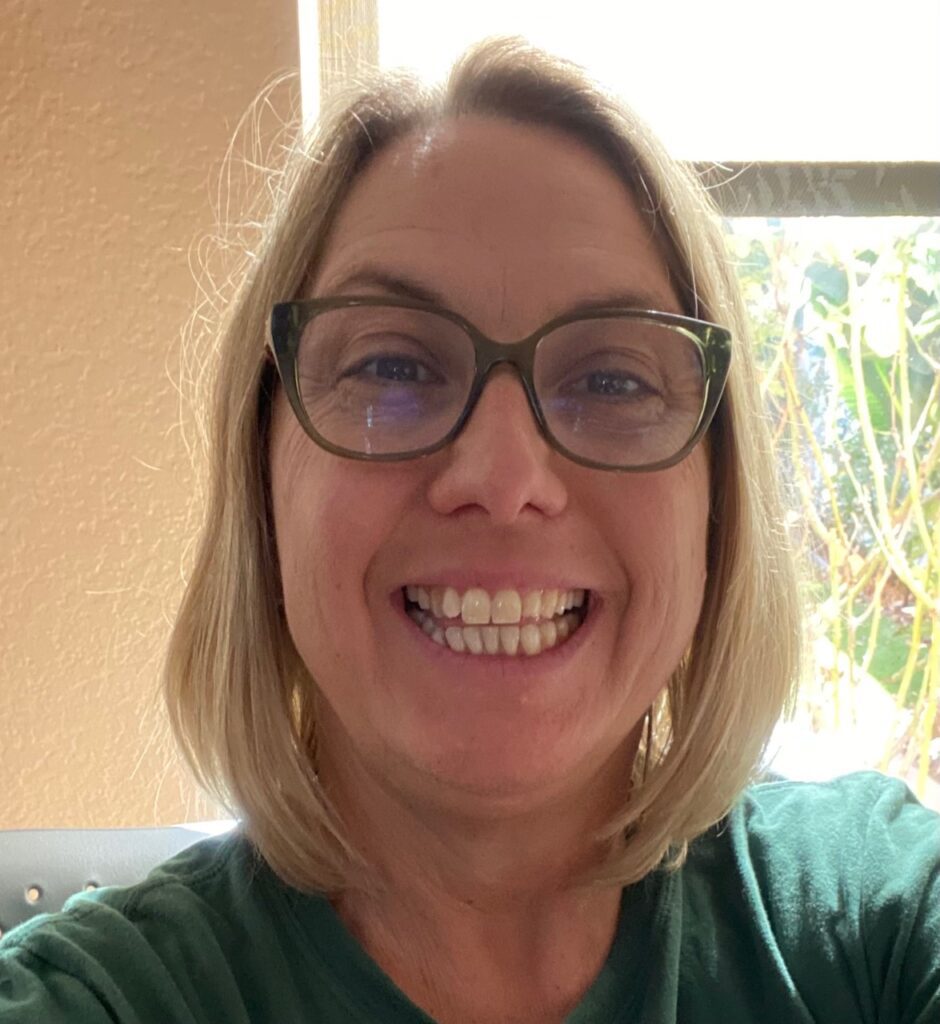
Corri-Anne Burgess lives in San Diego, California with her husband and her two labrador retrievers. Both of her children live, work, and attend grad school in Colorado. Corri-Anne worked in the geospatial industry prior to teaching and has been teaching Computer Science for over 15 years and loving it.
Lauren Curry lives in Las Cruces, New Mexico with her husband and six-year-old son. Her oldest children live in Queens, New York and Fort Collins, Colorado. She has taught Computer Science at the high school level for thirteen years and thoroughly enjoys working with teenagers every day.
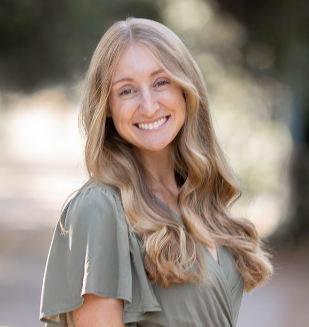
Devon Marano lives in San Diego, California with her husband and 2 (soon to be 3!) little ones. After teaching CS for 10 years, she’s spent the last two years out of the classroom as her district’s ‘CS Teacher on Special Assignment’ where she gets to support teachers and students across more than 20 middle and high schools.