
Celebrating Black STEM pioneers in computer science is essential for all students. Countless times, when February rolls around, teachers often focus on the contributions of two or three historical black figures. This February, I challenge my fellow educators to rethink the traditional ‘one-month unit’ model by using techniques I’ve implemented to expose my students to a wider range of innovators. Dive deeper into an educational journey alongside your students, exploring how connected we all are to historically excluded Black contributors in technology and research. Their determined perseverance has led to groundbreaking innovations that continue to shape our society.
Connections That Invite Student Thinking & Deeper Research
To inspire students to become STEM professionals, they need to see themselves reflected in STEM. Early exposure to a variety of STEM pioneers allows young students to envision themselves in the sciences. As students persist in their yearning to learn more about the scientist they begin to understand the trials and tribulations that made these professionals persevere through inequalities. They start making connections, relating to scientists who are passionate about their work and seeing how persistence through obstacles begins with meaningful exposure at the elementary level.
Many of our students face similar systemic problems as STEM pioneers from the past, ranging from institutional marginalized systems, schools lacking proper educational fundings, and generalized judgements. Too often our students are met with obstacles that rob them of a happy life. How can we help our students choose success and happiness daily, regardless of the obstacles they may face? Educators must be a part of the solution, not the problem in education, contributing to building an inclusive learning environment and making sure our students are exposed.
Exposing students can be as simple as modeling my morning algorithm routine for students and highlighting how Black inventors’ contributions make my daily routine substantially easier.
- Waking up with an alarm clock ( Benjamin Banneker)
- Flicking the light on (carbon filament – Lewis Latimer)
- Turning on the TV (Otis Boykin)
- Ironing my Clothes (Sarah Boone)
- Turning on the Home Security System (Marry Von Britton Brown)
- Automatic elevator shaft doors (Alexander Miles)
- Automatic car gear shift (Richard Bowie Spikes)
- Three-traffic signal (Garret Morgan)
- GPS Directions (Gladys West)
- Modern personal computer (Mark Dean)
- Statistic of Data Bias in AI – Blackwell Rao Theorem (David Blackwell)
The best project-based learning assignments that brought joy to my students were those in which they found solutions to problems that plagued their community and the communities of their families far away.
Invite your students to dig deep in physical computing and explore the STEM pioneer Lewis Latimer. Lewis H. Latimer was more than just an inventor—he was a pioneer who helped shape modern technology and fought for a more just society. His life and work are a testament to the power of perseverance, creativity, and the belief that knowledge should be shared for the benefit of all. This exposing physical computing exploration trip is provided both virtually or in person by the Lewis Latimer House and aids in allowing students to actively explore tinkering or fixing physical gadgets in a fun creative environment. This exploration aims to spark joy in making things light up, move and wiggle, by supporting the whole child’s understanding that a powerful act of passionate persistence is what brought STEM pioneers joy.
Inclusive classroom environment
All students benefit in the exploration of STEM pioneers in a creative inquiring environment. It’s one thing to decorate your classroom with posters that are self- reflections of iconic black STEM pioneers but even more impactful to include such pioneers within your lessons and units of study. For example, Dr. Ayana Elizabeth Johnson’s TED Talk on overfishing can anchor a powerful STEM and sustainability unit. This allows students to see that scientists who look like them are making impactful changes in our society.
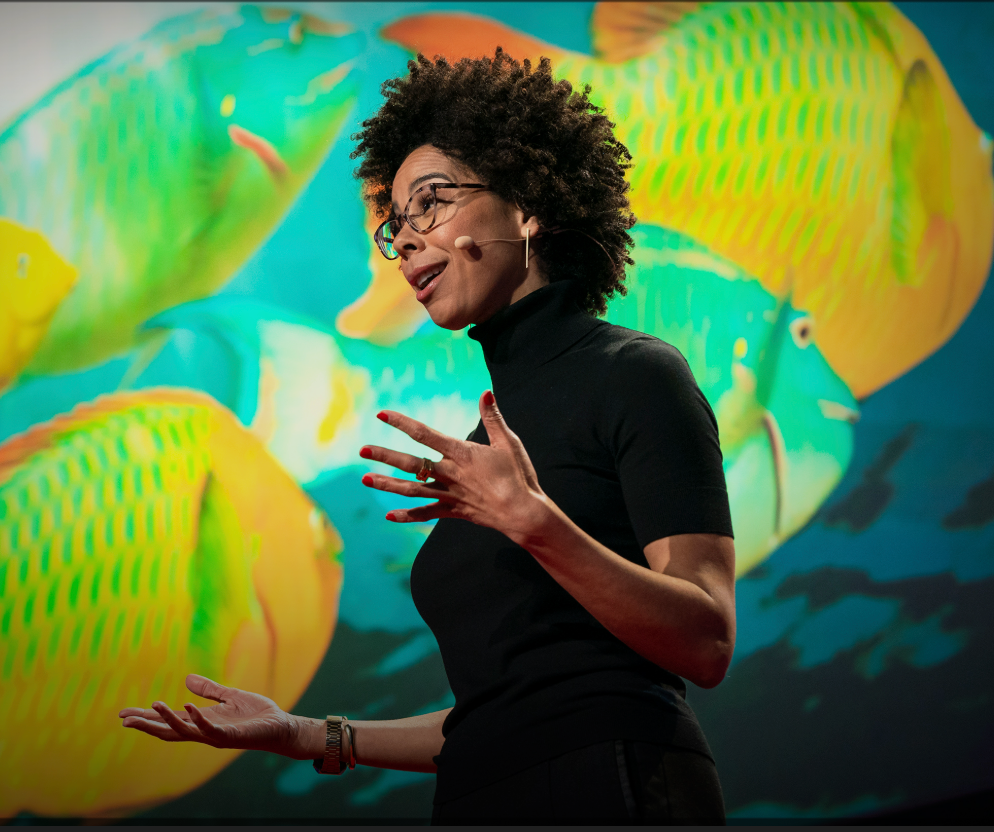 Dr. Ayana Elizabeth Johnson, a New York based marine biologist, policy expert, writer, and teacher.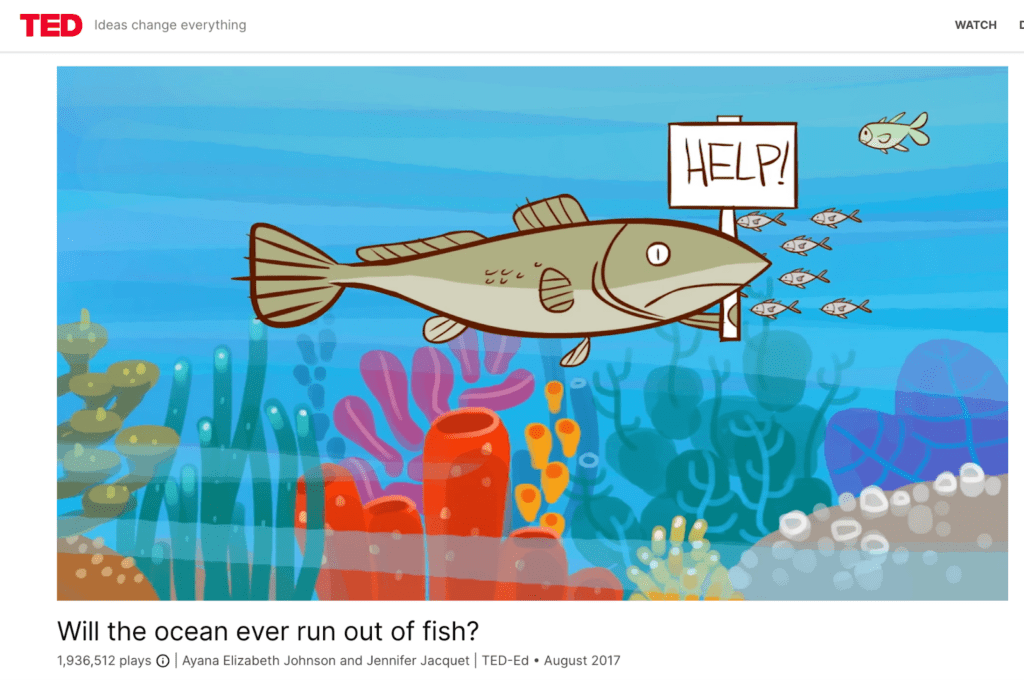
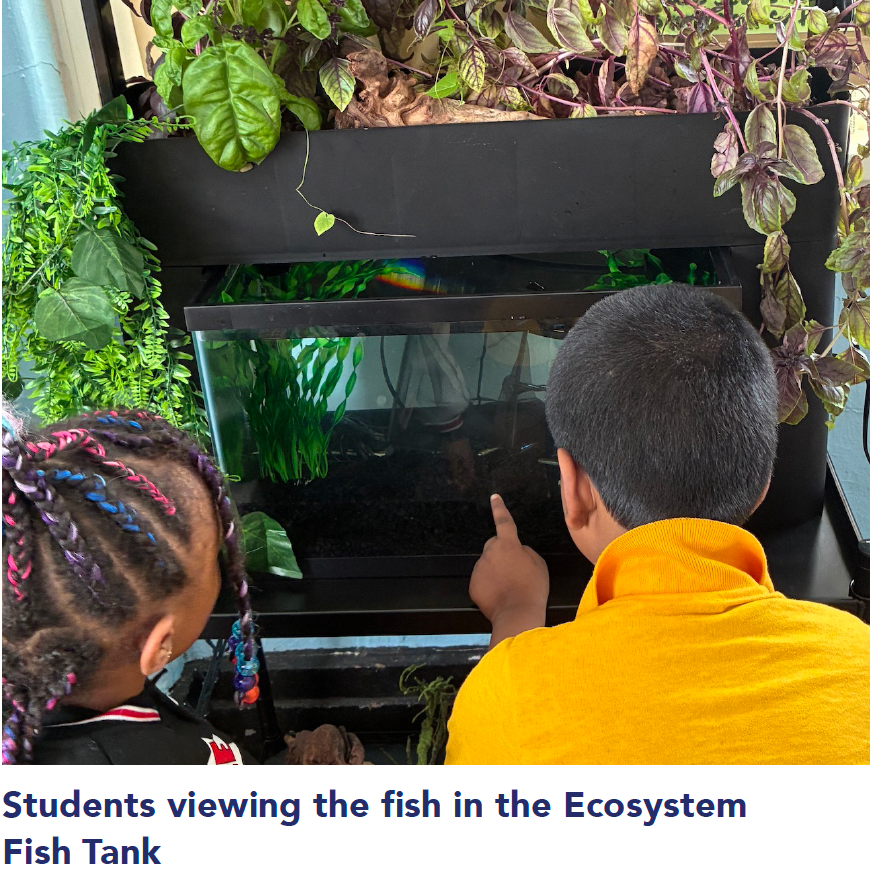
As I developed classroom centers where students explored the effects of overfishing, it sparked deep analytical discussions about the effects of overfishing. It led to deep analytical classroom discussion among my students exploring the Accuracies in AI. It is sobering that many students still; encounter systemic barriers similar to those faced by STEM pioneers, including inequitable systems, underfunded schools, and biased expectations. It helped my younger students develop a better understanding of AI based on constructivist learning and using critical thinking skills to solve the problems in the situation. Which can lead to frustration, stress, anxiety and anger.
The practice of Computer Science alone teaches students to persevere in debugging and exploring other outcomes. I encourage my students to use their critical thinking skills and keep on moving to reach their goals. Teachers should constantly make teachable moments where students should think of problems in life like writing a program for an algorithm. There’s more than one way to complete this task; it’s just up to you to be strategic in achieving your goal. A very smart woman, my mom, told me I’m just like an “ant” . When I asked her why, she said, “I admire how you find alternate ways to build back your nest (or purpose) when it’s destroyed, you keep at it and don’t stop.”
One thing we must remember is that, although many black STEM pioneers were denied recognition for their accomplishments, they remained persistent and never stopped. They kept on gaining knowledge with apprenticeships, certificates, etc., and applied their self-taught knowledge to become wonderfully skilled professionals.
About the Author
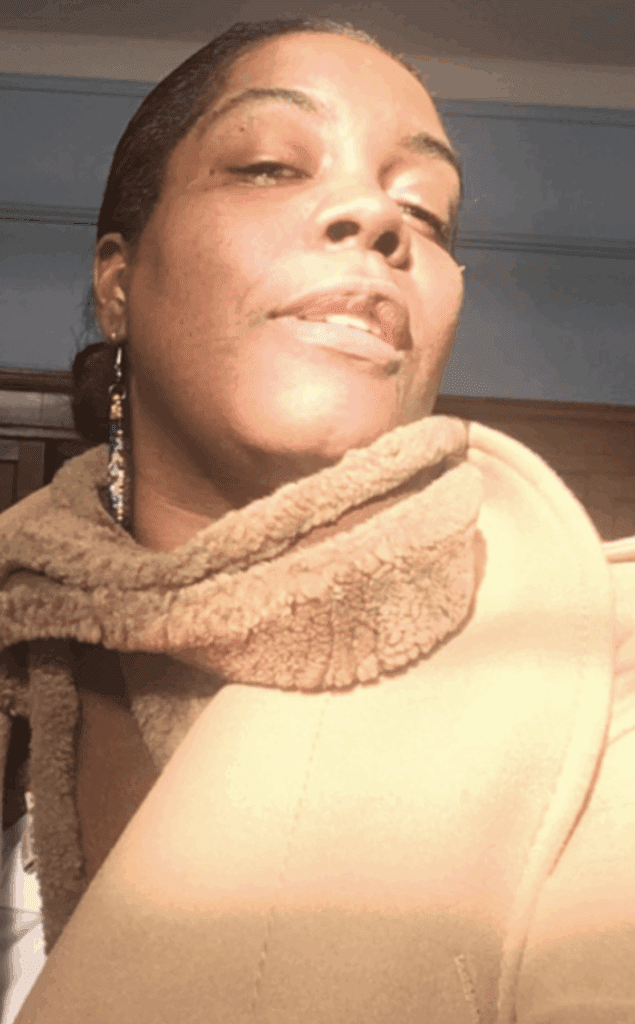
Bettie Mushatt Parker is an elementary STEM Computer Science teacher for New York City Public Schools in Brooklyn, NY. As she enters her 21st year of teaching, she has developed curriculum with NYU Tandem School of Engineering and often develops Project Based Learning curriculum that allows her students to have a fun journey of education exploration. Her students’ projects have been requested at events like the New York City Parks Department Dr. Jane Goodall Roots & Shoots celebration and the American Museum of Natural History Demystifying Artificial Intelligence just to name a few.