
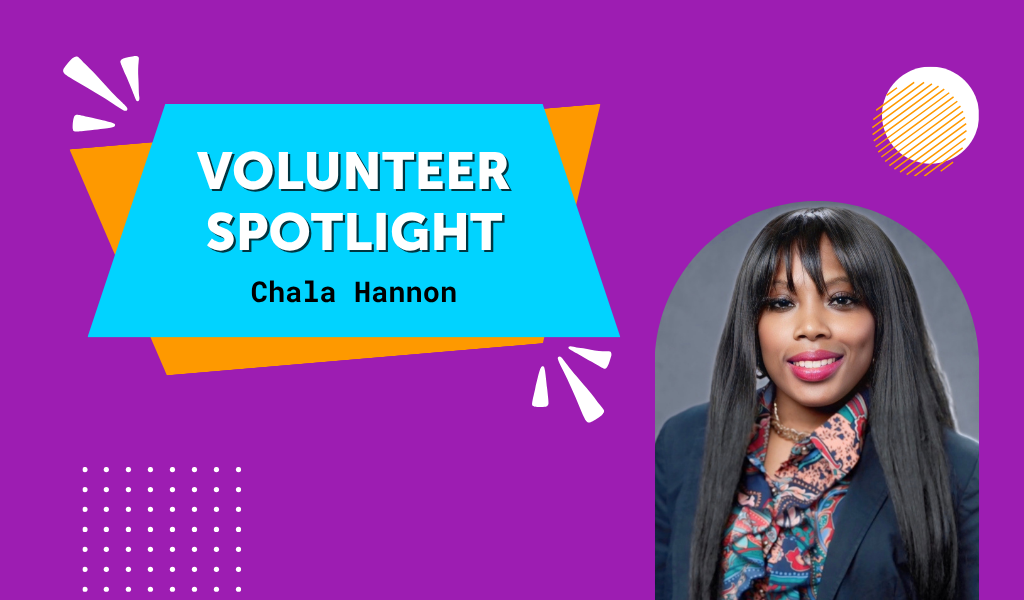
Welcome to the CSTA Volunteer Spotlight series, where we celebrate the incredible individuals who dedicate their time and passion to making a difference in the CSTA community. Join us in recognizing and appreciating the extraordinary efforts of IMPACT fellow alum Chala Hannon.
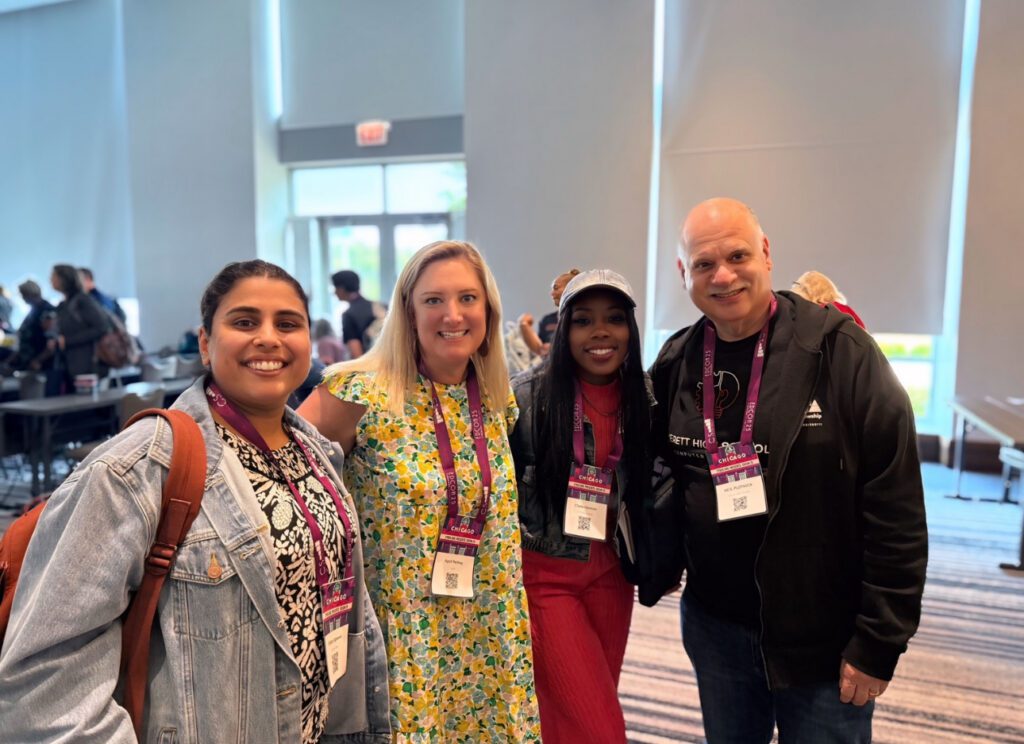
What inspired you to volunteer your time with CSTA? How has this experience impacted you?
I was drawn to CSTA because it centers community, equity and teacher leadership. I saw an opportunity to contribute beyond my classroom and to help shape systems, conversations, and access points so that more educators could confidently bring CS to life for their students. As someone committed to transformative education, digital citizenship, and child-first approaches, CSTA felt aligned with both my values and my vision.
I also deeply love and appreciate everything CSTA is doing for educators especially educators who often feel unseen and unsupported in this work. There is something powerful about being part of a community that doesn’t just focus on outcomes, but truly sees, affirms, and invests in the people doing the work every day. This has been a beautiful experience bringing more joy and love to the lives of both my scholars and I.
How long have you been involved with CSTA, and what motivated you to join?
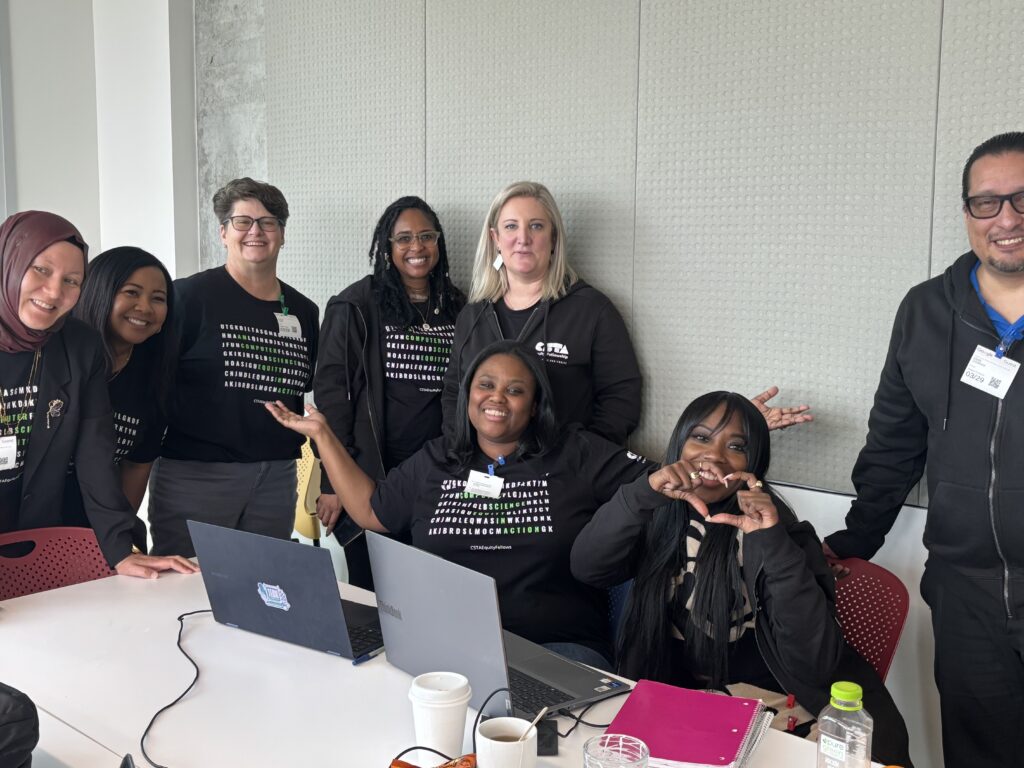
I started with CSTA as an IMPACT Fellow 24-25, Cohort 6. I was motivated to join CSTA because of its deep commitment to supporting computer science educators especially those who often feel unseen, under-resourced, and unsupported in this work. I was inspired by the way Computer Science Teachers Association centers community, equity, and professional growth while advocating for meaningful, inclusive CS education. Being part of a space where educators are valued, amplified, and equipped to better serve students made joining feel both aligned and necessary.
Can you share any memorable experiences or highlights from your involvement with CSTA?
My most memorable CSTA experience was presenting my Flash Talk at the 2025 CSTA Conference. I’ve always dreamed of giving a TEDx Talk, so stepping onto that stage felt both terrifying and electrifying. Sharing my message about creating healing, trauma-informed, psychologically safe spaces for CS learners pushed me to be vulnerable in a way I hadn’t expected, I cried while writing it, and I cried again while presenting it. But seeing the audience connect so deeply with my words made every emotion worth it. It was truly unforgettable.
How has CSTA impacted your teaching career and professional development?
The Computer Science Teachers Association (CSTA) has had a profound impact on both my teaching career and my professional development. CSTA has strengthened my confidence and clarity as a computer science educator, especially in spaces where CS teachers can feel unseen or unsupported. Through CSTA, I’ve gained access to high-quality professional learning, national standards, and a powerful community of educators who are deeply committed to equity, innovation, and student-centered instruction.
Professionally, CSTA has:
Helped me refine my instructional practice and align it to best practices in computer science education. It has also expanded my network of educators and leaders, opening doors to collaboration, fellowships, and leadership opportunities. Most importantly, it has reinforced my commitment to equitable access to CS, particularly for historically marginalized students. It has given me language, tools and confidence to advocate for CS integration at the school and district level.
On a personal level, CSTA affirmed that my work matters. It reminded me that I’m part of a larger movement. It is one that values educators as leaders, innovators, and change agents. That sense of belonging and professional validation has been just as impactful as the skills and resources I’ve gained. Overall, CSTA hasn’t just supported my growth as a teacher, but it has helped shape my identity as a CS leader, advocate, and lifelong learner.
In what ways do you see CSTA shaping the future of computer science education?
In so many different ways! There’s great vision and a lot of great things going on. In regards to standards, offering highly quality content and guidance on educating students in a way the integrates deep thinking and high level learning reinforced across content areas. Promoting the integration of CS as leverage and a buy-in for student learning and engagement. Building community and workforce partnerships supporting teaching as a safe space and supporting psychological safe spaces for all learners and stakeholders. Advocacy for CS is huge! Having clear, defined representation in every state.
Are there any specific initiatives or projects within CSTA that you’ve been particularly passionate about?
My passion within CSTA lies at the intersection of healing, equity, and innovation. I am deeply committed to trauma-informed practices and understanding how psychological safety can be cultivated for all stakeholders. I am also focused on advancing CS integration by positioning computer science as essential and impactful, not optional. Recruitment, outreach, and growing state-level membership and along with clearly identifying CS representatives are central to strengthening leadership and expanding access nationwide. A campaign similar to “Who’s your CS rep?!” and making sure every school has one assigned.
What does the future of CSTA look like?
Historical, cultural, political and life- changing. I would love to see more classes and scholars showcased and we can see the magic, so more behind the scenes!