
K-8 Representative Candidates
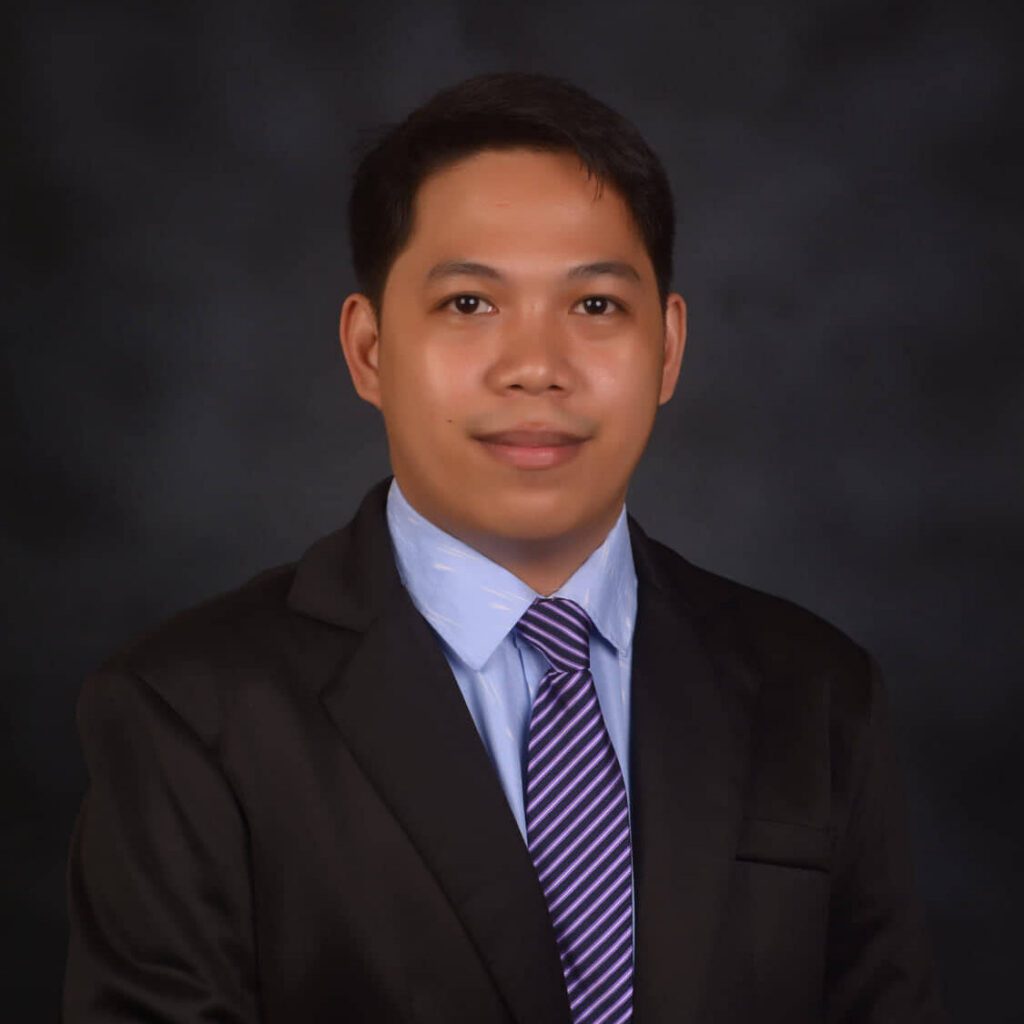
Raymond Anacaya
Serving on the CSTA Board would be deeply personal to me because CSTA changed the course of my life. In 2022, CSPD introduced me to CSTA at a time when I was still finding my place in CS. As an educator who came to the US from the Philippines with no formal background in computer science, that experience showed me it is never too late to begin, to grow, and to lead. Through CSTA, I found not only professional learning but also belonging, mentorship, and purpose. Today,as a rural Title I educator, CSTA IMPACT Fellow, Standards Revision Writer, and teacher-leader, I want to help create that same sense of possibility for others, especially educators and students from underrepresented and high-need communities.I hope to strengthen community, expand access to practical and inclusive resources, and deepen leadership pathways for educators. This aligns closely with CSTA’s mission and strategic priorities to foster belonging, elevate teaching practice, and grow educator leadership.
I bring leadership rooted in mentorship, systems thinking, and equity-driven action. As a classroom educator and teacher leader, I have helped expand CS and computational thinking beyond my own classroom by supporting teachers with integration, facilitating professional learning, and creating pathways for students through robotics, family STEM engagement, and inclusive CS experiences. Nationally, my work as a CSTA IMPACT Fellow, Standards Revision Writer, CSTA IMPACT Fellow mentor, and Project Mentor has strengthened my skills in coaching adults, developing leaders, collaborating across diverse perspectives, and contributing to standards-informed practice. I also bring experience in grant development, strategic communication, and partnership-building to expand opportunities for schools and communities. Most importantly, I lead with humility, listen deeply, ask hard questions, and work to turn ideas into meaningful action.
I bring the perspective of an educator who has seen how access to computer science is often shaped by geography, poverty, confidence, and opportunity. As a rural Title I teacher and CSTA IMPACT Fellow, I have worked to make CS meaningful and reachable for students and teachers who are often left out of these spaces. My commitment to equity in action can be seen in how I created inclusive opportunities such as Girls Who Code, after-school robotics, family STEM events, and integrated CS lessons that connect coding and computational thinking to literacy, math, and the arts. This helped students who may not have entered a traditional CS pathway still see themselves as capable creators and problem-solvers. The impact has been increased student engagement, stronger teacher confidence in integrating CS, and broader participation in STEM experiences for learners from underrepresented and high-need communities.
My involvement with CSTA has been deeply meaningful to my growth as an educator and leader. In 2022, CSPD Week introduced me to CSTA, and since then I have served as a CSTA IMPACT Fellow, Standards Revision Writer, proposal reviewer, Equity in Action Series presenter, CSTA Conference presenter, IMPACT Fellow mentor, and Project Mentor. These experiences allowed me to contribute to teacher learning, equity-centered dialogue, standards development, and leadership cultivation across the CS education community. CSTA has given me opportunities not only to grow, but also to give back by supporting other educators.
Based on my experience, CSTA plays a vital role in the broader K-12 CS ecosystem. It is a bridge between classroom practice, leadership development, standards, and national advocacy. CSTA helps educators feel connected, prepared, and empowered to bring meaningful and equitable CS learning to all students.
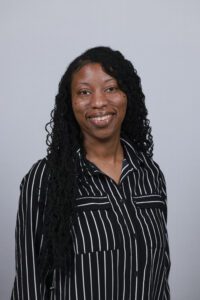
Tiffany Henderson
I am seeking to continue serving on the CSTA Board because I care deeply about making sure computer science education reaches every student, no matter their zip code. Serving educators across the country has shown me how powerful it is when teachers feel connected, supported, and heard. I want to continue helping build a community where educators grow together, share real classroom solutions, and have access to the resources they need to succeed.
This aligns with CSTA’s mission and priorities by strengthening belonging, expanding leadership opportunities, and ensuring that high quality, inclusive computer science education is accessible to students in every state.
I bring leadership grounded in real classroom experience and shaped by service beyond it. As a K–12 computer science educator, I have led professional learning, supported curriculum development, presented at conferences, and worked alongside educators at the state and national levels. Those experiences have taught me how to listen carefully, communicate clearly, and turn ideas into practical support that teachers can actually use.
Serving on the CSTA Board has strengthened my ability to collaborate across diverse perspectives, ask hard but necessary questions,and stay focused on what truly benefits students and educators. I value relationships, thoughtful dialogue, and action. Most importantly, I lead with heart, integrity, and a commitment to ensuring every educator feels seen, supported, and empowered in this work.
I teach in a school where the majority of students are students of color, and I believe equity in CS means access, representation, and belonging. Many of my students had never seen themselves in technology careers, so I intentionally bring in diverse role models, highlight culturally relevant applications of computing, and create collaborative learning structures so no student feels isolated.
One example of equity in action was expanding access to hands on STEM and computer science experiences beyond traditional high achieving groups. I advocated for open enrollment in advanced CS courses and actively encouraged students who did not initially see themselves as “tech kids” to enroll. The result was increased participation from girls and underrepresented students, along with stronger confidence and persistence in CS pathways.
My involvement with CSTA has grown from being an engaged member to serving at the national Board level. Along the way, I have worked to keep real classroom voices at the center of our conversations and decisions. Whether through conferences, collaboration, or strategic discussions, I focus on making sure what we build truly supports educators in their day to day work.
From my perspective, CSTA is more than an organization. It is a professional home for CS educators. It connects teachers across states, strengthens leadership, and helps ensure that high quality, equitable computer science education is not a privilege, but a standard for all students.
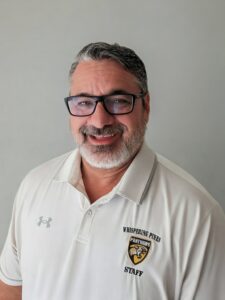
Daniel Jones
I seek to serve on the CSTA Board to ensure that computer science education is inclusive, relevant, and empowering for all students and educators especially those historically underrepresented in CS. As an ESE and CTE educator, AI Liaison, and CSTA leader, I have seen how strong community, practical resources, and educator leadership transform classrooms and student outcomes. As a Board member, I hope to strengthen CSTA’s educator centered community by amplifying practitioner voices, fostering belonging, and supporting collaboration across K–12 contexts. I aim to help expand access to high quality, classroom ready CS and AI resources that support diverse learners and elevate instructional practice. I am also committed to deepening leadership pathways by mentoring educators, supporting local chapters, and cultivating emerging leaders who reflect the diversity of our profession. This work advances CSTA’s mission and vision for equitable CS through community, resources, and leadership.
I bring leadership grounded in classroom practice, systems‑level collaboration, and equity‑driven innovation. As an ESE, CTE, and CS educator; CSTA IMPACT Fellowship alum; AI Liaison; chapter leader; and former college administrator for four years, I have led across K–16 contexts by designing inclusive CS and AI pathways, facilitating professional learning, and supporting educators at local and state levels.
My work as a UF CSforAll Teacher Liaison and FAU STEM Teaching Fellow strengthened my ability to bridge research, policy, and practice through curriculum alignment, advocacy, and capacity building. I have managed grants, led cross‑sector partnerships, and advanced strategic initiatives that expand access and sustainability in CS education.
Shaped by leading diverse teams and serving students with complex needs, I bring governance ready skills, a steadfast commitment to inclusion for all, and the courage to lead with equity on the CSTA Board.
I bring the perspective of an ESE, CTE, and computer science educator who works daily to ensure students with disabilities, neurodivergent learners, and other underrepresented groups fully participate in CS. My commitment to equity centers on designing accessible, inclusive learning experiences that value student voice, hands on learning, and real world relevance. One example of equity in action is my creation of an inclusive CTE and CS program that integrates AI, app development, and applied problem solving for students with diverse learning needs. I redesigned instruction using project based learning, assistive technologies, and collaborative team structures so students with disabilities could learn CS alongside their peers. This approach increased engagement, confidence, and credential attainment, with all students on track to earn industry certifications. By expanding access and empowering historically excluded learners, my work demonstrates how equity strengthens CS education 4all
I have been actively involved with CSTA as a IMPACT Fellowship alum, current AI Liaison, and an active member as the IMPACT Fellow leader within the Palm Beach/Broward CSTA Chapter. Through these roles, I contribute to local and national CSTA communities by sharing inclusive CS and AI instructional practices, supporting educator growth, and expanding access for students with disabilities and other underrepresented groups.
In parallel, my work as a UF CSforAll Teacher Liaison and FAU STEM Teaching Fellow allows me to bridge research, policy, and classroom practice, bringing those insights back to CSTA and strengthening regional CS ecosystems. My contributions focus on elevating practitioner voice, modeling inclusive CS and CTE pathways, and developing educator leadership.
In the K–12 CS ecosystem, CSTA is the connective force uniting educators, advancing equity driven standards, and cultivating leadership for inclusive, rigorous, and sustainable CS education.