
Let’s Start with Why Computer Science Education Matters
Computer science education is not just about learning to code; it is about learning to think critically, solve problems, and design solutions through digitization and innovation.
As artificial intelligence becomes an integral part of our daily lives, K–12 computer science education must evolve. We must prepare students to think critically about how technology shapes their world and how they can use it responsibly and creatively. Students need to understand how AI works, how to collaborate with it, and how to apply computational thinking to design solutions that make a positive impact. They need to see computer science as a way of understanding and shaping the world, a discipline that connects creativity, ethics, data, and innovation. This shift requires that we rethink how we allocate time, what concepts we prioritize, and how we connect classroom learning to real-world applications.
In my classes, I want students to experience computer science not just as a standalone subject but as something that connects to every discipline. Drawing from my own experience as a computer science major who started her CS journey way back in high school through a CTE pathway, I have always believed that we teach problem-solving over coding as the core of computer science. While coding is taught as part of the CS major, the discipline is more about how students think, reason, and approach challenges creatively. The future of this field belongs to adaptable minds, and our classrooms must nurture that adaptability early on.
Restructuring My Computer Science CTE Instruction
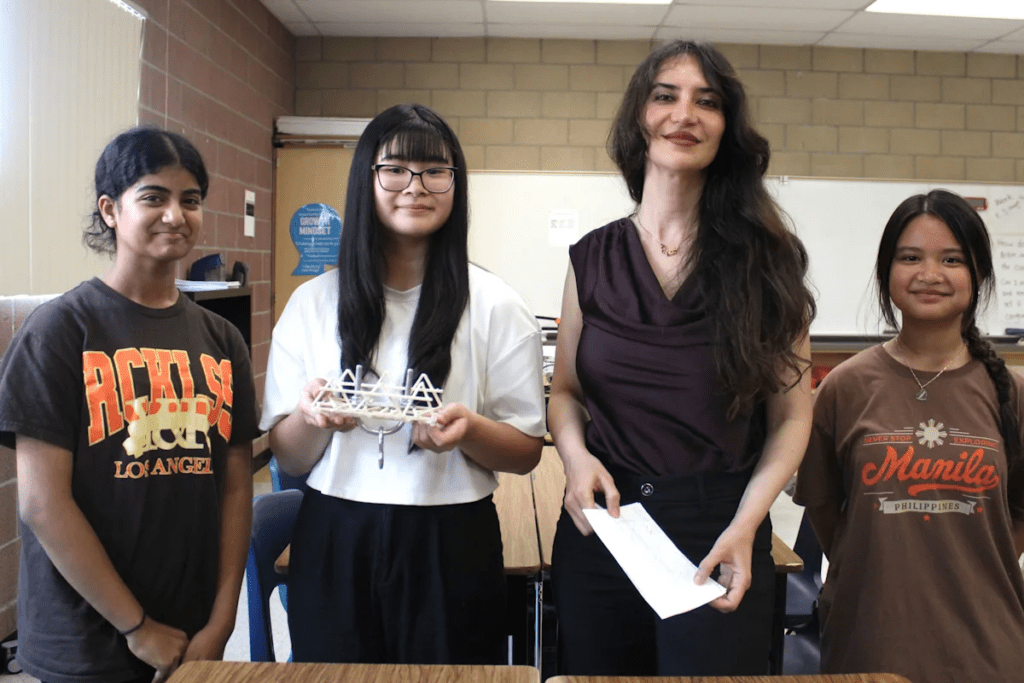
In response to the evolution of AI, I have restructured how I teach my 8th grade Computer Science course and how I integrate CS into my math instruction. This restructuring reflects both a mindset shift and a rebranding of what computer science education looks like in my classroom.
Up to 2020, my CS course focused on foundational computer science topics such as algorithms, data structures, programming, physical computing and robotics, networks and cybersecurity, web development, impacts of computing, databases, college and career topics, and a brief theoretical overview of artificial intelligence. When AI became more accessible and an essential part of daily life, I recognized that my students needed deeper, hands-on experiences to truly understand its power and responsibility. While I began introducing AI concepts in 2020 using ISTE’s Hands-On AI Projects for the Classroom and Code.org’s AI for Oceans, the unit has since grown into a major part of the curriculum. We now dedicate 12 weeks to exploring AI, machine learning, and data science. This progression moves from AI literacy to AI innovation, beginning with understanding how AI systems work and culminating in student-created projects that connect AI concepts to real-world problems. A critical component of my AI instruction involves explicit discussions about ethics, bias, transparency, and fairness in algorithmic systems. Students learn that AI models can reflect human biases and that understanding these limitations is a responsibility, not just an option. We discuss what transparency means when using AI systems, what fairness looks like in algorithms, and how their own design choices matter. I want them to see themselves not only as users or developers but as thoughtful digital citizens who question, critique, and improve the systems they help create. You can check out one of our projects here.
I have also reconsidered both the priority of the concepts being taught and the instructional approaches used in my computer science course. For instance, I previously devoted nearly two months to web development teaching HTML, CSS, and JavaScript. I have since condensed that unit to three weeks, ensuring students understand how to structure and style web pages and apply basic JavaScript to make them interactive. The goal is for students to read, edit, and troubleshoot their work confidently while freeing more time for creative exploration with AI tools. The focus has shifted from mastering syntax to developing the critical thinking and digital fluency needed to design responsibly and collaborate effectively with AI. Students learn to ask better questions, make purposeful decisions, and apply their coding knowledge to build meaningful, real-world projects. Check out other projects from our 8th-grade math class here.
In addition to our weekly career exploration and tech news discussions, I have introduced a dedicated time to explore how AI is transforming professions, college majors, and industries. Students research how automation and intelligent systems are changing various fields such as healthcare, finance, art, education, etc. helping them connect classroom learning to their future aspirations.
I still teach programming, both block-based and text-based, since I have students with varying levels of coding experience. For some, this is their first exposure to computer science, while others enter with advanced skills and prior coding knowledge. To support this range, I use the PRIMM model, which stands for Predict, Run, Investigate, Modify, and Make, to structure how students engage with coding tasks and AI feedback. This approach provides scaffolding for beginners while offering flexibility for advanced learners to extend their thinking. My focus has always been on problem-solving as the foundation of computer science, and now AI coding assistants have become part of that process. Students learn how to use these tools to test ideas, debug code, and explore multiple approaches to a problem rather than rely on them for complete answers. Programming becomes a creative process of inquiry and design supported by AI rather than replaced by it.
As I continue to evolve my CS curriculum, I draw on the work ofTeachAI, whose Guidance on the Future of Computer Science Education in an Age of AI calls for balancing programming fundamentals with learning to collaborate with AI responsibly. The report emphasizes that students should not only learn to write code but also interpret, refine, and shape AI behavior with awareness of ethical and societal implications such as bias, transparency, and fairness. I also align my teaching with the Computer Science Teachers Association’s AI Learning Priorities for All K–12 Students, which stress that AI education must nurture both technical understanding and social responsibility. These priorities highlight the importance of equity, ethical design, and understanding how AI impacts individuals, communities, and the environment.
Computer science education drives the creativity and problem-solving that make AI innovation possible. In the age of AI, it is not only about technical mastery but also about fostering human judgment, creativity, and responsible innovation.
About the Author

Zahra Razi specializes in integrating computer science and educational technology into K–12 instruction, with expertise in curriculum design, interdisciplinary teaching, and teacher professional development. With a background in both computer science and pedagogy, she has created a middle school computer science curriculum that incorporates programming, artificial intelligence, physical computing, robotics, cybersecurity, and data science into both core and intervention courses. Her instructional approach emphasizes helping students create responsibly with technology and engage in ethical innovation, encouraging them to critically explore the societal impact and real-world applications of computer science.
She collaborates with educators across disciplines to design inclusive, interdisciplinary projects and has also served as an Educational Technology Coach, supporting teachers in implementing digital tools and emerging AI technologies. A frequent presenter at education and technology conferences, Zahra shares practical, student-centered strategies. She is an Amazon Future Engineer Teacher Ambassador, a member of the California Department of Education AI Work Group, an ASU+GSV AI Innovator, and the recipient of both the ISTE 20 to Watch Educator and ISTE GenerationAI Awards.
Watch her Interview with CBS News Los Angeles about AI in Education.