
“The words we use in our classrooms shape who feels welcome, who feels seen, and who feels left out, and as educators, we have both the responsibility and the opportunity to choose them thoughtfully.” —Jacqueline Edwards
In computer science education, change is constant. New programming languages, frameworks, and tools appear regularly, and teachers adapt. Yet one of the most meaningful changes I have encountered is not technical; it is linguistic. The language we use to describe identity, belonging, and community directly affects our students. Inclusive language is not a checklist; it is a practice that requires reflection, humility, and attention.
Teachers often inherit vocabulary from their upbringing. Words once considered neutral may now carry unintended weight. I experienced this during a conversation with a colleague. I used a phrase as a self-deprecating joke. My colleague later shared that it echoed experiences of hurt for their child. I apologized immediately and explained my intent, yet the impact had been made. That moment reminded me that intent matters less than effect, and that educators must remain aware of how words resonate with students and families.
Research in sociolinguistics and culturally responsive teaching supports this: language evolves as society grows in understanding of equity and identity. Linguistic variation and inclusion in education are well documented, showing how language can both reflect and reinforce social inequality (Annual Reviews). Educators who adapt their language honor students’ lived experiences; culturally responsive teaching further calls on teachers to use students’ linguistic and cultural assets as foundations for learning (AB Academies). Each word we choose shapes classroom culture; inclusive classrooms are built not only through curriculum, but through communication, respect, and modeling openness.
This process demands humility and grace. Educators must extend grace to themselves as they unlearn familiar patterns, and to colleagues who are navigating the same journey. Listening when students or peers express discomfort strengthens trust and models the empathy we hope to cultivate in our students.
Language is never static. Future generations will introduce new terms and challenge our current norms. The measure of an educator is not perfect language, but willingness to learn, listen, and adapt. Inclusive practice is a continual process of reflection, adjustment, and growth.
In my classroom, I now approach language as both a tool and a responsibility. Every word communicates belonging, respect, and dignity. By embracing evolving language thoughtfully, educators can create computer science classrooms where students feel valued and respected. In doing so, we teach not only technical skills, but also empathy, curiosity, and the lifelong practice of learning alongside our students.
Figure 1: Navigating Language for Inclusive CS Classrooms
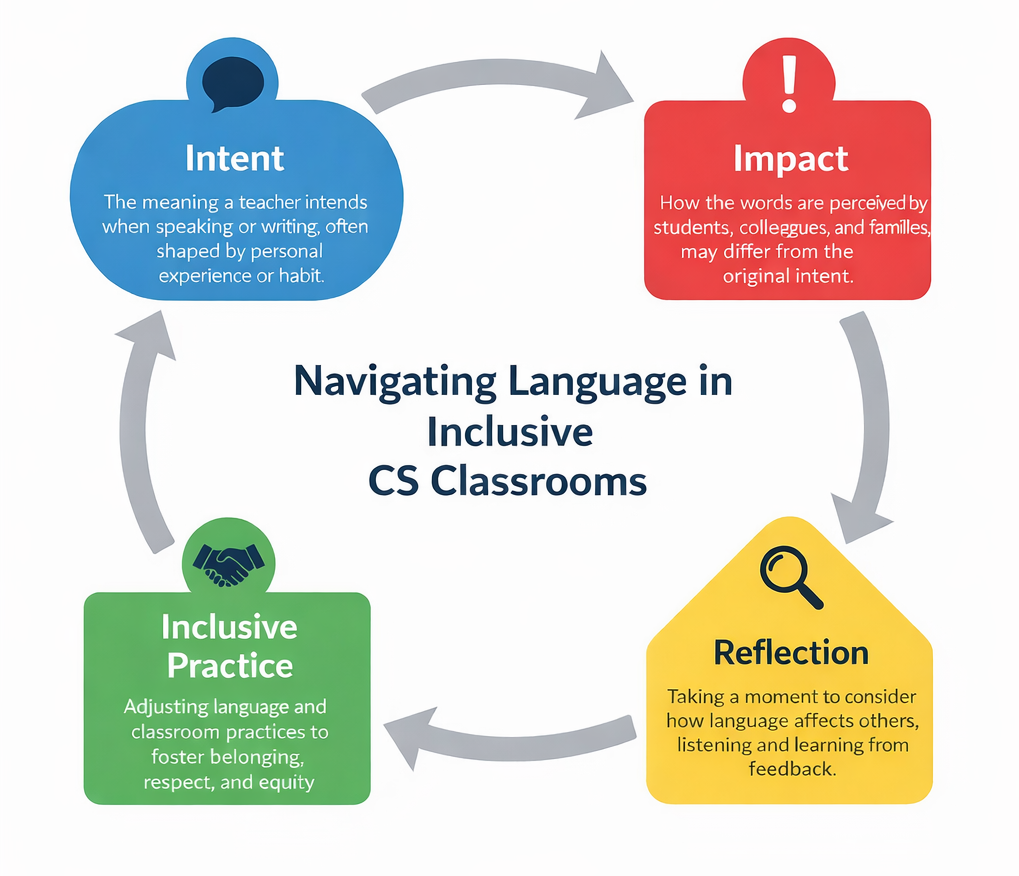
Author Designed Image: AI generated Image
References
- Annual Reviews. Linguistic Variation and Social Inequality. Retrieved from https://www.annualreviews.org/content/journals/10.1146/annurev-linguistics-031120-121546
- AB Academies. Culturally Responsive Teaching Strategies for Promoting Inclusivity and Diversity in the Classroom. Retrieved from https://www.abacademies.org/articles/culturally-responsive-teaching-strategies-for-promoting-inclusivity-and-diversity-in-the-classroom-16953.html
About the Author
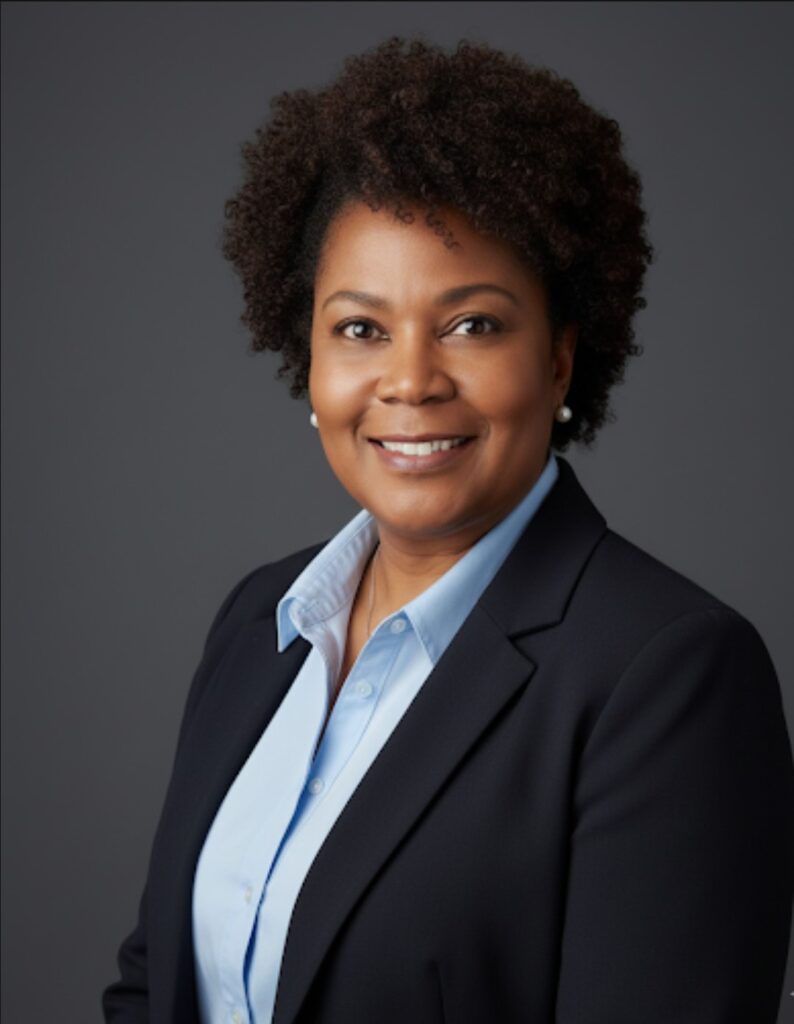
Jacqueline Edwards is a computer science and technology educator committed to inclusive, student-centered learning and the intentional use of language to strengthen STEM communities.