
Where It All Began: A Childhood Curiosity for Health and Technology
As a computer science instructor, I intentionally expose my scholars to unique fields within computer science. Educators often provide exposure at a surface level, highlighting only the most popular careers within the field. I’ve noticed that most students don’t feel aligned with being a software developer for a big tech company. They have other interests, such as medicine, sports, and cooking. When I create pathways through the intersectionality of various fields with computer science, I help students see technology as a branching tree full of possibilities.
I remember being in their shoes, wondering where I could place my feet. I’ve always strived to work within a field that prioritizes innovation and creativity. When I was their age, I wanted to dive into a field that integrated health and computer science/engineering. My school did not provide the resources or opportunities to expose me to fields such as biomedical engineering or biomedical data science, so I spent quite a bit of time identifying those intersections on my own. I developed a fascination with medical tool and device development, as well as with how health data creates solutions. Because I knew how difficult that process was for me, I created a plan to expose students to the intersectionality of health and computer science.
In October 2024, I founded Healthy Bytes, a program that exposes 6th-12th-grade scholars to real-world applications in health technology. With the backing of CodeCrew, a non-profit in Memphis, TN, focused on computer science and artificial intelligence education, I received the creative freedom to build this program. I created Healthy Bytes because I saw a need in my students. A need to see the world of technology through a different lens. A need to know that there are options out there for every mind.
Designing Healthy Bytes: Structure, Community, and Creative Freedom
I designed Healthy Bytes as six independent lessons, facilitated once a week, each focusing on a particular subfield of health technology. The topics for each week were as follows:
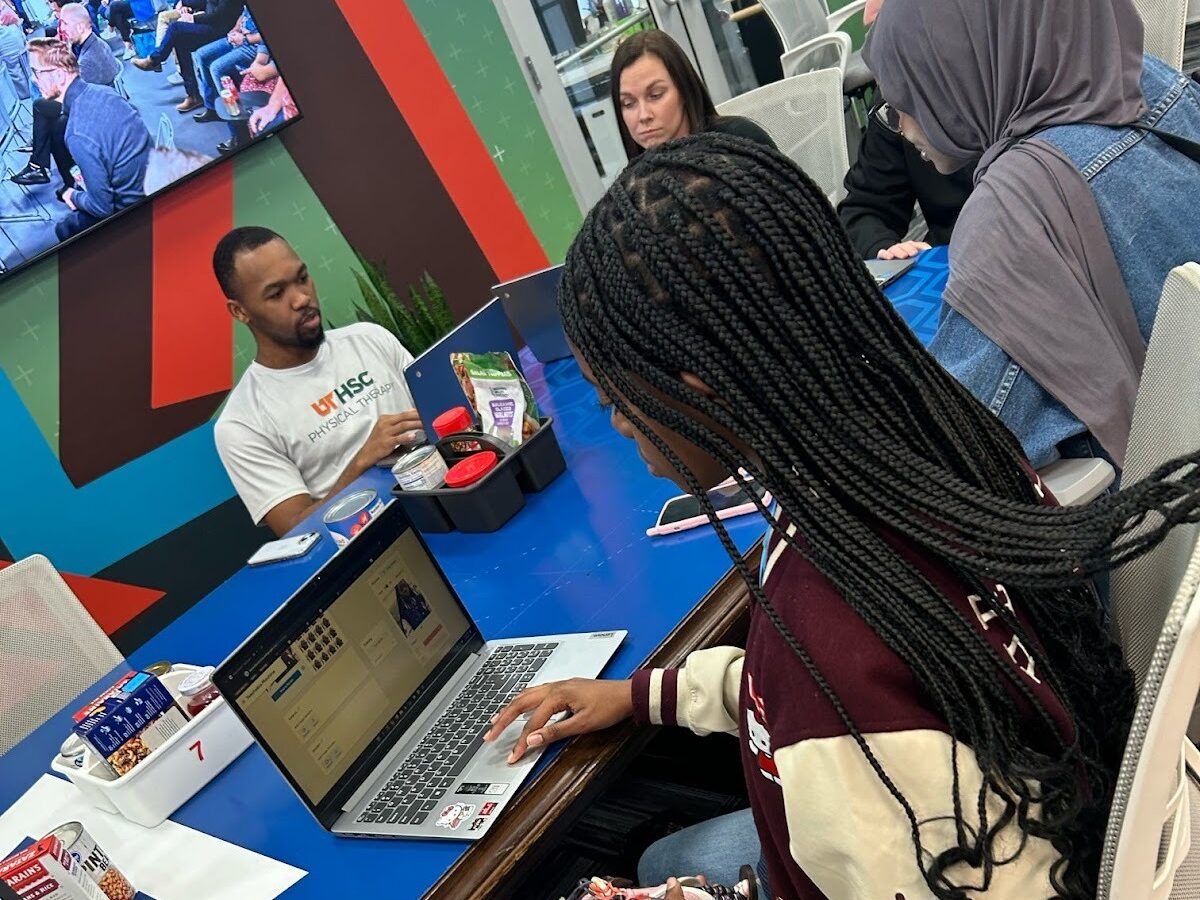
AI-Powered Nutrition: Decoding Labels
Algorithmic Fitness
Healthy Habits with Scratch: Hydration Algorithm
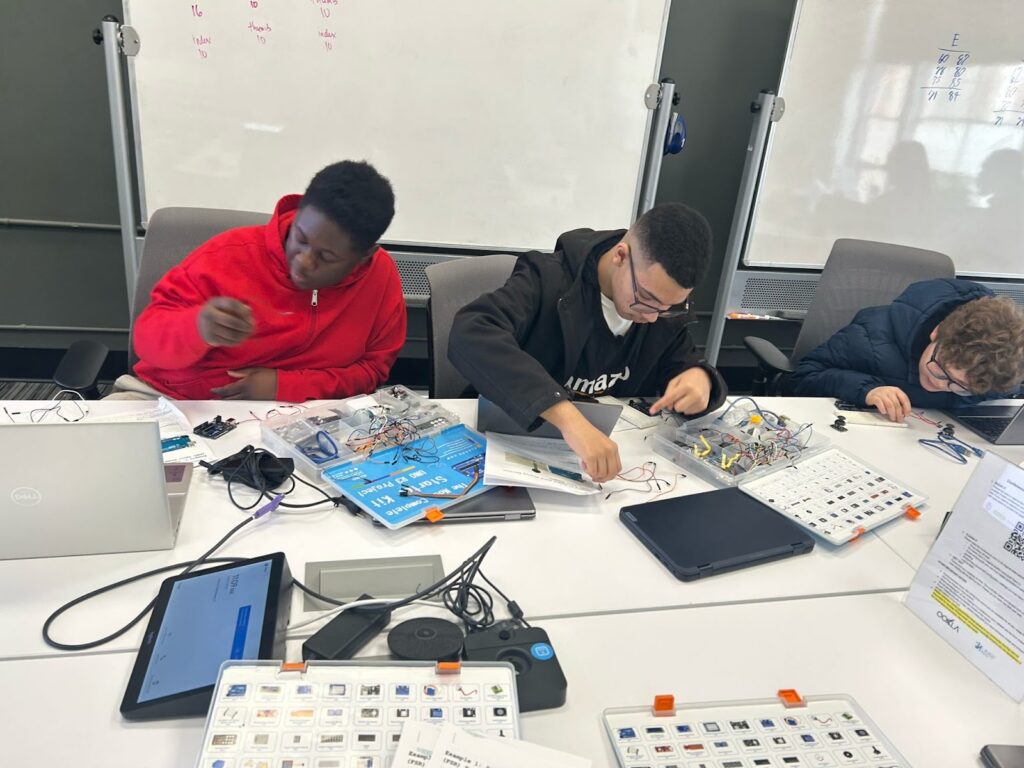
Grip Strength Meets Arduino: Rehabilitation
Motion in Action: Simulating Range of Motion
Mapping Health: Interactive Tools for Disease Prevention
Through tools such as Scratch, Arduino IDE, TinkerCAD, and ArcGIS, students explored how technology actively shapes health outcomes. I intentionally designed each lesson to be beginner-friendly, ensuring that students of all experience levels could participate confidently. The only prerequisite was a positive attitude and a willingness to learn. The program aimed to ignite curiosity, develop foundational technical skills, and empower students to critically examine how health technology influences our communities and daily lives. Also, this program was a way to introduce students to the real-world applications of artificial intelligence. Students left the program with an expanded idea of artificial intelligence that encompassed machine learning and deep learning.
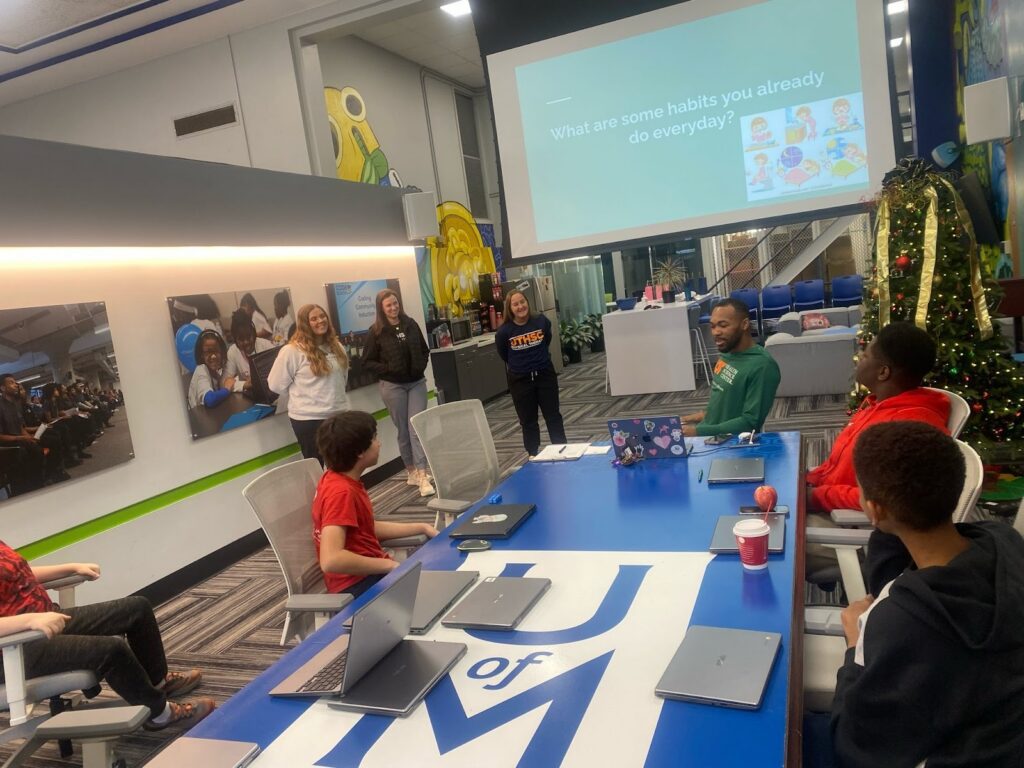
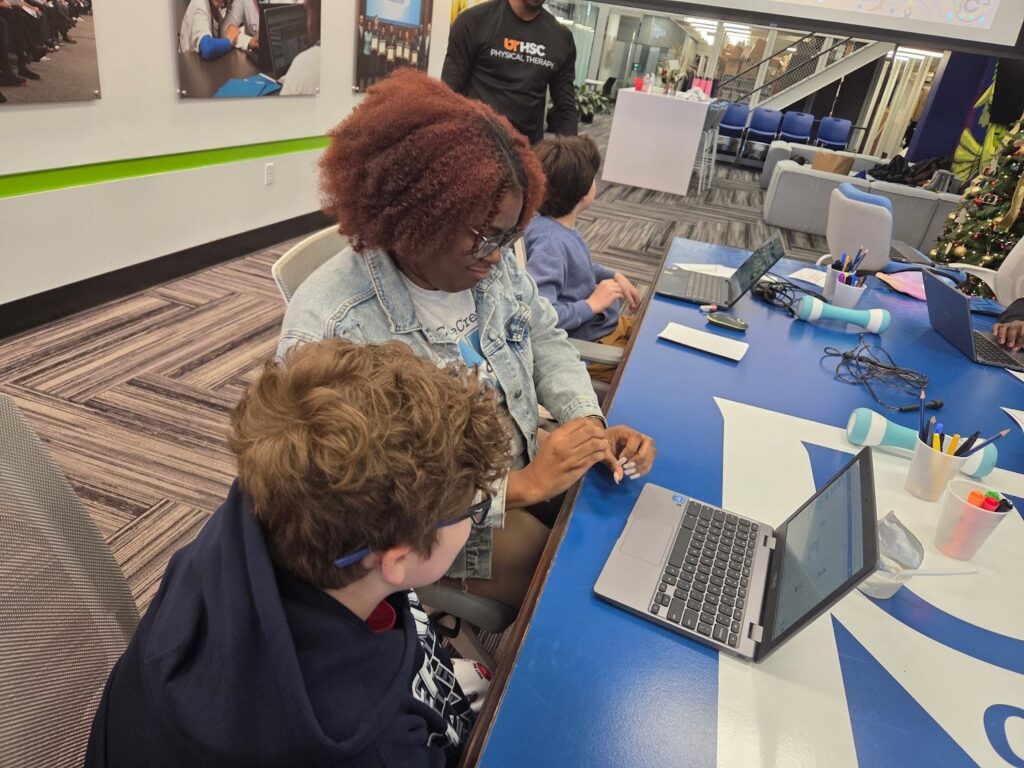
To deepen the authenticity of this intersection, I invited health professionals to collaborate in the learning process. I reached out to a close friend enrolled in the Doctor of Physical Therapy program at The University of Tennessee Health Science Center, and that conversation sparked a meaningful partnership with a cohort of dedicated DPT students. Each week, they developed real-world application activities aligned with our lesson themes. Their involvement transformed Healthy Bytes into a collaborative initiative, reinforcing the importance of community and professional engagement in advancing health technology education.
Impact: When Curiosity Turns Into Confidence
From the very first session, students began building a community unlike any I had seen before. They eagerly shared observations about health technologies in their own lives and asked questions that extended beyond the classroom. Students who once hesitated to speak began stepping out of their shells with confidence. Each week revealed new layers of curiosity, as scholars independently researched health technologies and returned excited to share their discoveries.
Watching their confidence grow became one of the most rewarding aspects of the program. Students developed a sense of pride in their understanding of health technology and began to see themselves as capable contributors to the field. Healthy Bytes became more than a program. It became a space of belonging, exploration, and achievement.
Looking Ahead: The Future of Healthy Bytes
Moving forward, I plan to expand Healthy Bytes across the full kindergarten through twelfth grade spectrum, ensuring that students at every stage can engage with health technology in meaningful ways. The program presents an opportunity to inspire hope and motivate stakeholders by demonstrating how intentional exposure can shape students’ futures. In future iterations, artificial intelligence and machine learning will remain central components of each lesson, reflecting the evolving landscape of healthcare innovation.
I also aim to build partnerships with companies developing artificial intelligence and machine learning health technologies, creating opportunities for field visits and professional mentorship. Ultimately, I seek to reshape how students envision careers in computer science. Students must recognize that pathways exist for those passionate about both health and technology. Healthy Bytes represents the beginning of that realization for many young scholars and contributes to a broader movement to expand access and opportunity for underrepresented youth in Memphis.
About the Author
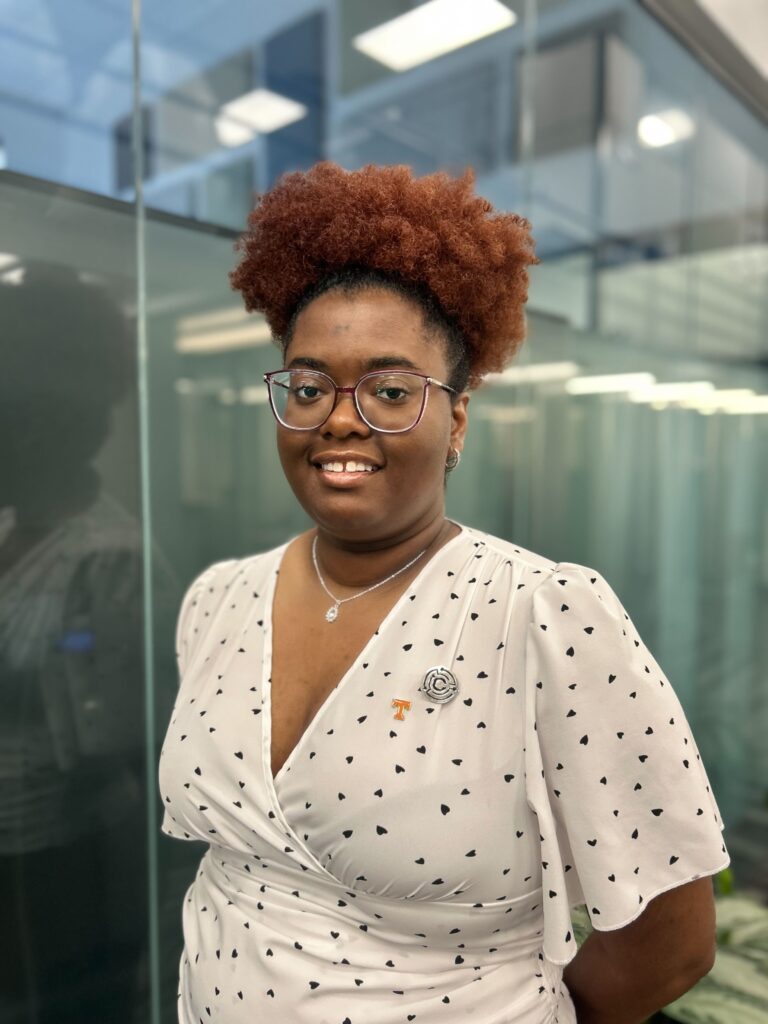
Elexis Allen is a Computer Science Instructor at CodeCrew in Memphis, TN, with a strong background in biomedical engineering and data science. She integrates artificial intelligence, technology, and medical device knowledge into K–12 programming and software development curricula, designing health-centered and innovative learning experiences. Elexis created Healthy Bytes, a program that bridges computer science and physical therapy through hands-on applications in coding, biomechanics, AI, and data analysis. She earned her Master’s in Data Science from Eastern University, specializing in computational modeling and machine learning. As a published author, her contributions to AI research include two IEEE papers: Adapting Random Forests to Predict Obesity-Associated Gene Expression and Towards Faster Gene Expression Prediction via Dimensionality Reduction and Feature Selection. She also authored Scratch Day: Hands-On Computational Thinking Activities for Youth and Adults in the Journal of Technology-Integrated Lessons and Teaching. Her work continues to advance both AI research and equitable computer science education.