
When I applied for the CSTA IMPACT Fellowship, I wasn’t entirely sure what to expect. Like many educators, I already had a full plate. Between teaching, lesson planning, supporting extracurricular programs, and balancing family responsibilities, I wondered whether adding one more commitment to my schedule was a good idea.
What convinced me to apply was the opportunity to connect with other computer science educators who shared a passion for expanding access and equity in CS education. Also, the stipend and opportunity to travel to New York for an in-person convening and to New Orleans to present at the annual CSTA conference was a nice bonus.
What I didn’t realize was how much the experience would challenge, inspire, and ultimately change me.
As a middle school STEM and computer science teacher in San Diego, I spend most of my time focused on my students and my school community. My days are filled with helping students debug code, mentoring robotics teams, and creating opportunities for young people who may not otherwise see themselves represented in STEM.
The IMPACT Fellowship encouraged me to think beyond my own classroom. It pushed me to ask bigger questions. How can I influence computer science education outside of my school? How can I advocate for policies and practices that expand opportunities for students who have historically been underrepresented in computing? How can I help other educators create more inclusive learning experiences?
One of the most valuable aspects of the fellowship was learning alongside educators from across the country. Every fellow brought unique experiences, challenges, and perspectives. Some worked with the elementary population while others worked with middle school and high school students. Some taught in rural communities. Others worked in large urban districts. Some were classroom teachers, while others were allies that supported CS programs in museums or organizations at the school, district, or state level.
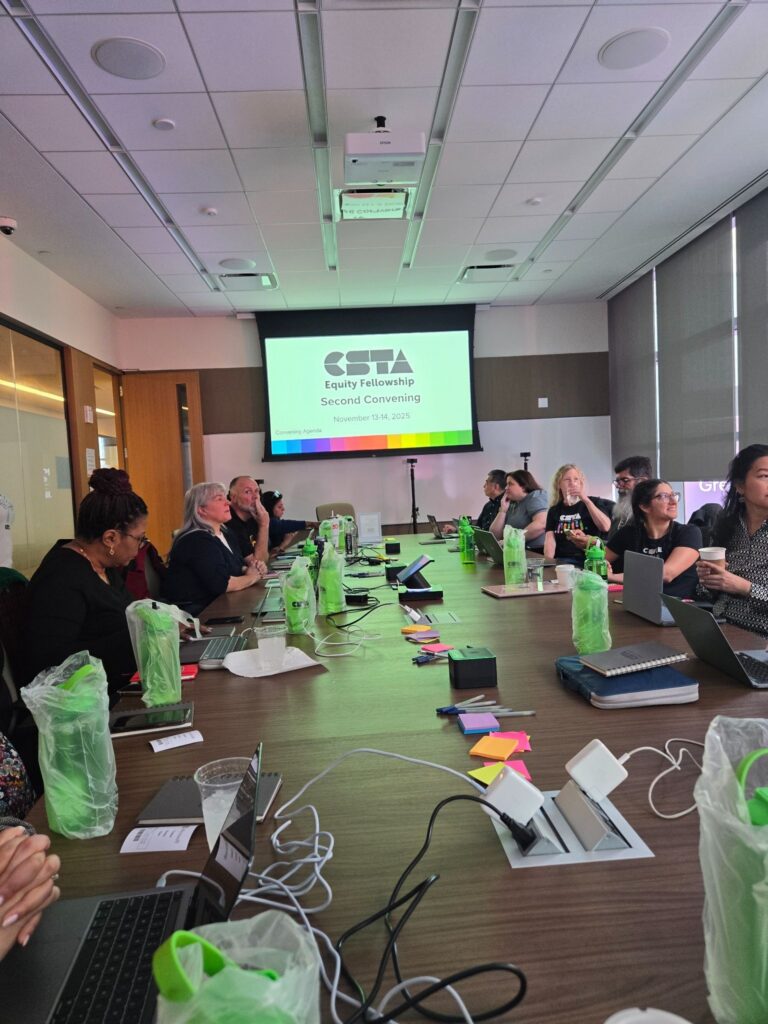
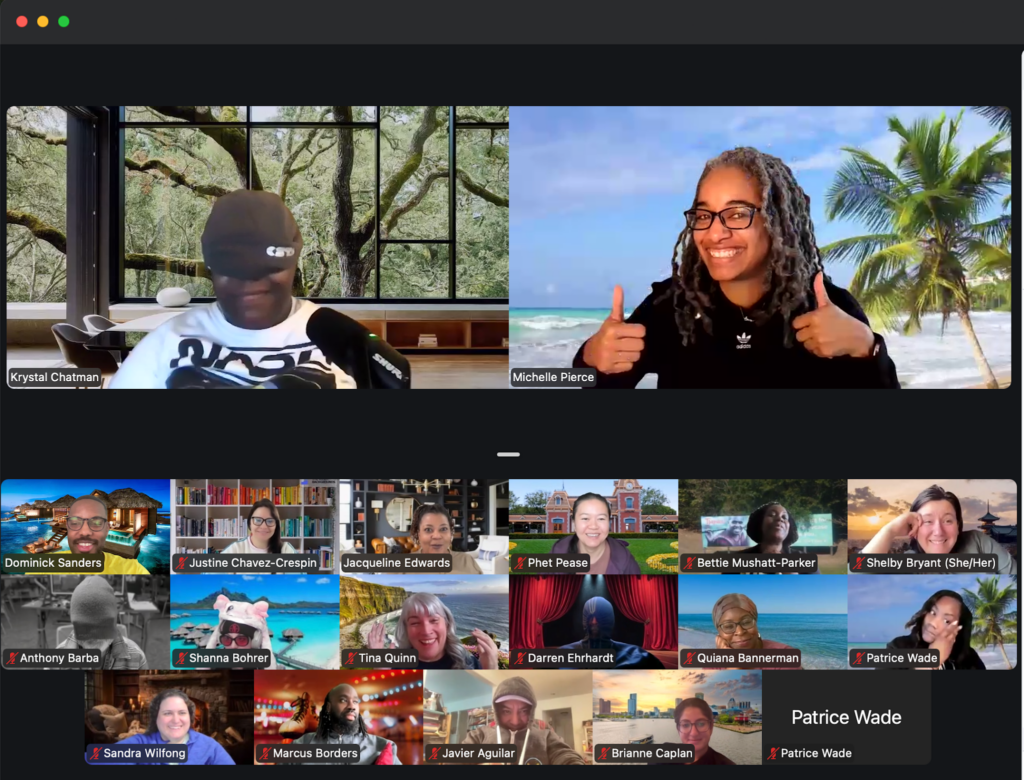
Despite our different contexts, we shared a common goal: ensuring that every student has access to meaningful computer science learning opportunities. From one colleague, I learned more about Adverse Childhood Experiences (ACEs) and using trauma-informed practices to mitigate the risk of adverse health and well-being outcomes in students who had many ACEs. Another colleague shared her journey of being diagnosed late in adulthood with autism and how she advocates for students with neurodiversity. And from another colleague, I learned about the strategies he uses to teach CS in his multi-lingual school. Those conversations expanded my thinking in ways that would not have happened if I had remained solely focused on my own local challenges.
The fellowship also gave me opportunities to reflect on my own practice more deeply. As educators, we often move from one task to the next without taking time to pause and examine the impact of our work. The IMPACT Fellowship intentionally creates that space for reflection.
One area where this reflection became especially meaningful was in thinking about student leadership. Through fellowship conversations and my group project, I began examining how students can play a larger role in expanding access to computer science for others.
In my own program, I have seen the power of a student mentorship pipeline. Older students regularly return to mentor younger students, assist with robotics teams, lead activities, and share their experiences with newcomers. Some of the students who once sat quietly in my classroom learning to code now return as mentors, teaching those same skills to younger students and helping lead robotics teams.
Watching students transition from learners to leaders has reinforced an important lesson for me: equity is not just about giving students opportunities. It is about empowering them to create opportunities for others. When students see peers who look like them, come from similar backgrounds, and have overcome similar challenges, they begin to believe that they belong in computer science too.
The IMPACT Fellowship helped me recognize that some of the most powerful advocates for computer science are our students themselves. Through discussions, projects, and collaboration, I found myself thinking more intentionally about equity, representation, and student voice. I began asking not only whether students were participating in my programs, but whether they truly felt a sense of belonging.
Another benefit was the professional network I gained. Teaching can sometimes feel isolating, especially if you are the only computer science teacher at your school or one of only a few in your district. The fellowship connected me with educators who understand both the opportunities and challenges of CS education. During our monthly meetings, we carved out time to collaborate but also hear from guest speakers doing incredible CS work in their respective regions. These are colleagues I can now turn to for ideas, feedback, encouragement, and inspiration.
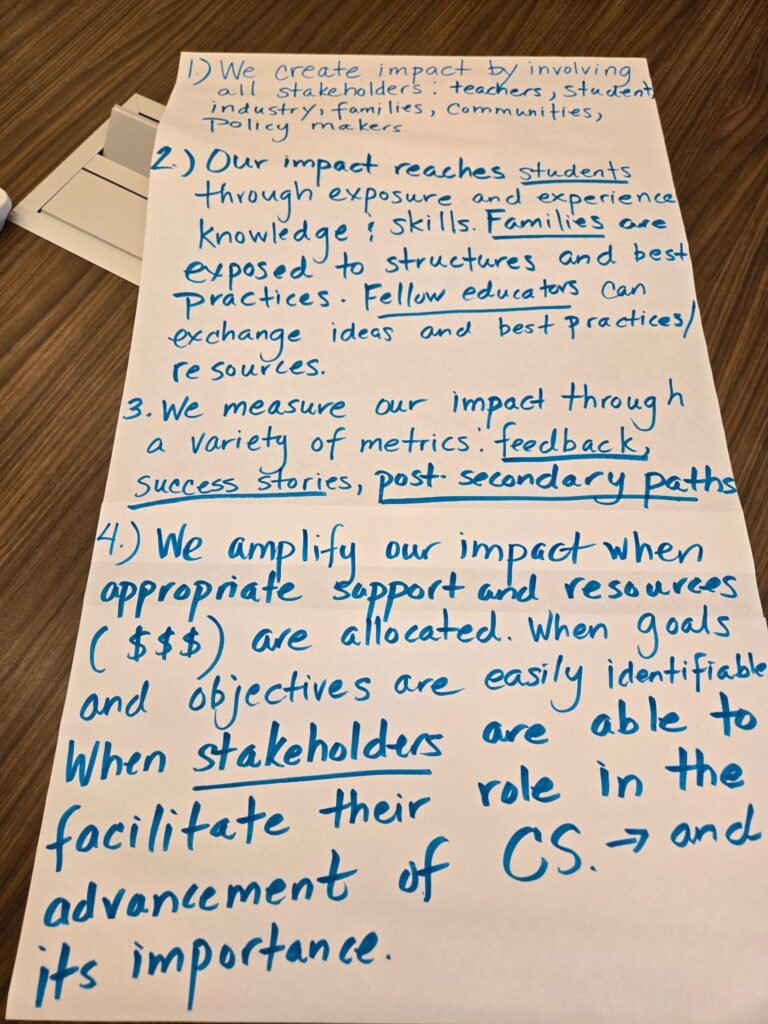
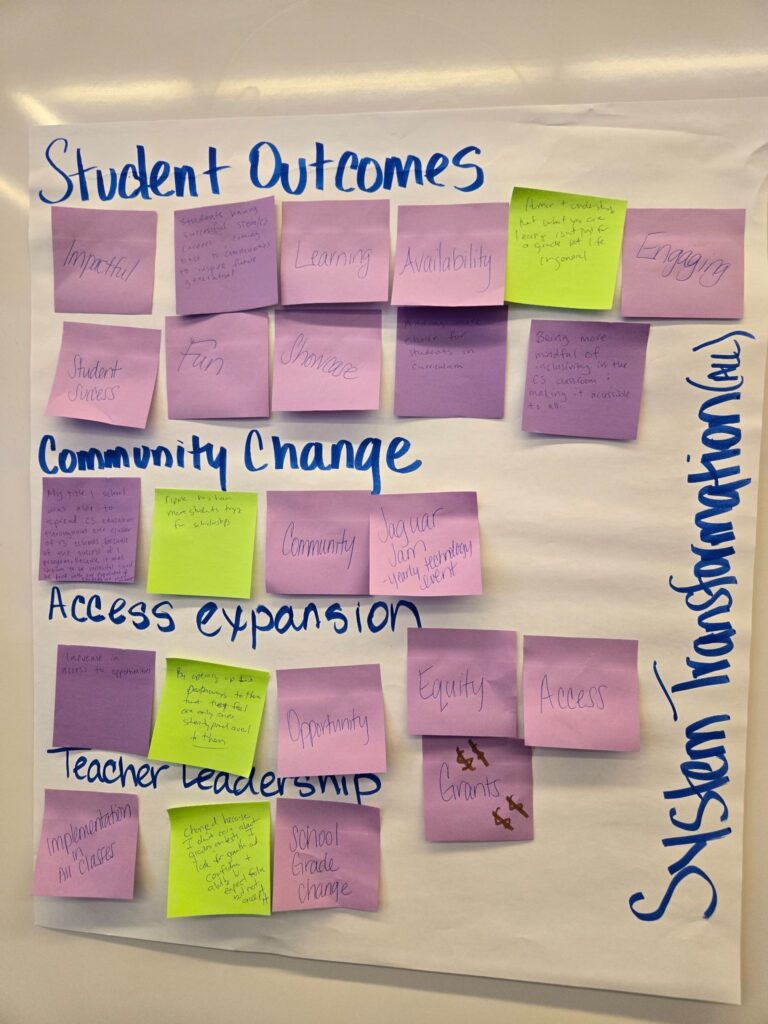
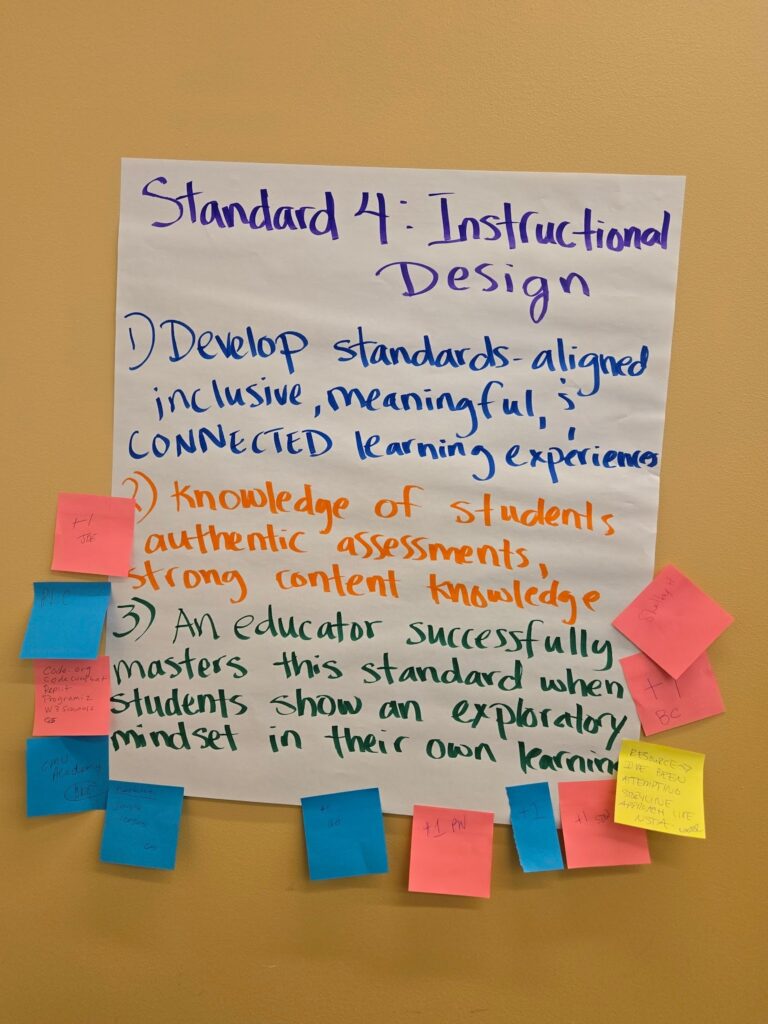
Some pictures of our group brainstorming sessions & charting.
Some of the most meaningful learning happened during conversations with fellows who approached challenges differently than I did. Those exchanges pushed me to consider new perspectives and reminded me that there is no single path to creating equitable computer science programs. Looking back, the fellowship challenged me to think less about what happens inside my classroom and more about how I can help shape computer science education beyond it.
If you’re considering applying for the IMPACT Fellowship, my advice is simple: do it.
You do not need to have all the answers.
You do not need to be a nationally recognized educator.
You do not need to be leading a massive initiative.
You do not need to be a polished speaker.
What you do need is a willingness to learn, collaborate, reflect, and grow.
The fellowship is not about showcasing expertise. It is about developing it. It is about joining a community of educators who are committed to making computer science education more accessible, inclusive, and impactful for all students.
As I reflect on my fellowship experience, I am grateful for the relationships, insights, and opportunities it has provided. The experience strengthened my belief that meaningful change happens when educators come together, share their stories, and learn from one another. Most importantly, it reminds me that our collective impact is far greater than anything we can accomplish alone.
About the Author
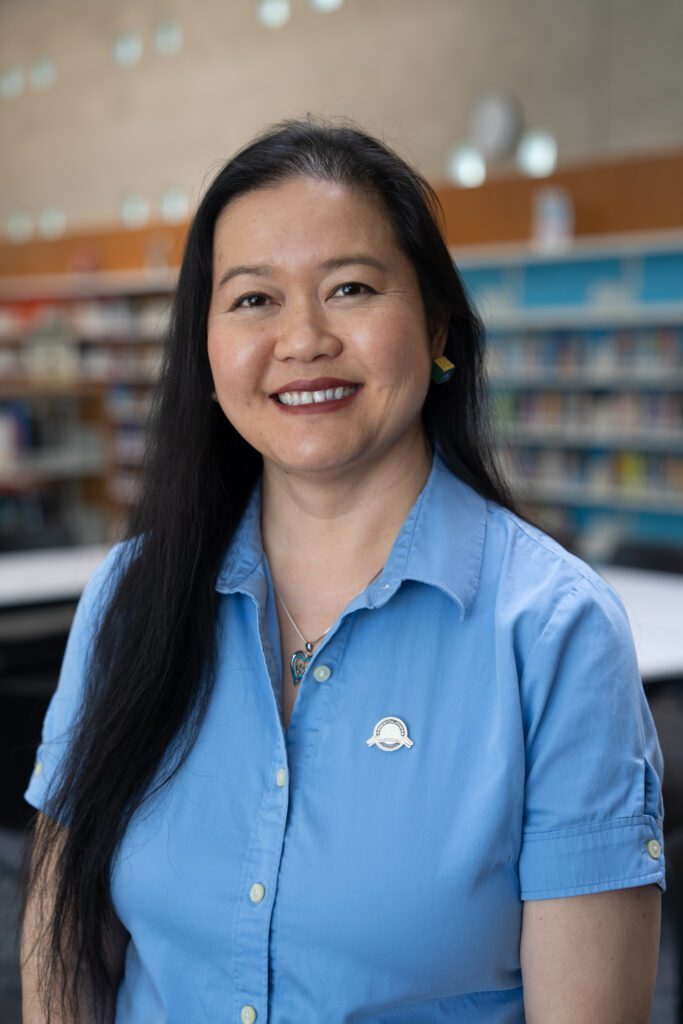
Khamphet “Phet” Pease is an award-winning STEM educator and Robotics Club advisor at Wilson Middle School in the San Diego Unified School District, where she has taught since 2005. With a career rooted in equity, creativity, and project-based learning, she leads nationally recognized initiatives that empower underrepresented students through robotics, coding, and engineering. Pease is a passionate advocate for expanding access to computer science, organizing international STEM tours, securing grants and sponsorships, and mentoring students in transformative, hands-on experiences. Her many accolades include the Presidential Award for Excellence in Mathematics and Science Teaching and the CSTA CS Teaching Excellence Award.