
Five years ago, I started an esports club at my school. I teach at a public K–12 emotional/behavior center where all my students have medically diagnosed neurodivergence. At the time, starting an esports club might have sounded unconventional, especially in a setting like ours. But it was a natural extension of something I had noticed much earlier: that gaming and computers being of interest would increase the skills of students in school. I began growing as a teacher and introducing computer science into my classes, and the students started developing inferencing skills and computer skills and leadership skills and—most importantly—social skills.
When I first arrived at this school nine years ago, there were no clubs at all. Students came to school, attended classes, and left. There were few structured opportunities for belonging, leadership, or identity beyond behavior management and academics. I was determined to change that. Drawing on Vincent Tinto’s Theory of Engagement, which emphasizes that student persistence and success are deeply connected to meaningful involvement and a sense of belonging, I began by starting a student government club. The results were immediate and powerful: students began to see themselves as contributors, leaders, and members of a community rather than simply recipients of services. After witnessing that impact, I knew one club was not enough.
In pursuit of my goals, I have spent the last five years engaging in over 700 hours of professional development in computer science. I joined the Computer Science Teachers Association (CSTA) and, through that community, found like-minded educators who believed, as I do, that CS is for all. Along the way, I was fortunate to receive a few awards, but more importantly, I gained a professional network that reinforced inclusive, ethical, and student-centered CS instruction.
During this time, my district launched an initiative to bring computer science back to all schools. I immediately recognized this as a rare and powerful opportunity to bring life-changing, career-preparatory instruction to my students who are too often excluded from high-growth STEM pathways. I volunteered to become the new CS teacher, spent the summer immersed in professional development, and began the school year in a completely new role.
I began teaching computer science in every grade level and then I began launching technology-based clubs: esports, robotics, drones, and app development. The impact on students was immediate and undeniable. Attendance improved. Behavioral incidents decreased. Students who once slept through class were suddenly awake, motivated, and working hard to maintain C’s or higher so they could remain eligible to participate. Chronic attendance issues began to disappear. Perhaps most telling of all, students started speaking positively about their school in classrooms and hallways alike.
These outcomes are not accidental. They are the result of intentionally designing learning environments grounded in Universal Design for Learning (UDL). UDL calls for multiple means of engagement, representation, and action/expression. Esports and AI-infused computer science naturally align with these principles. Students engage through interest-driven competition and collaboration; they access content through visuals, simulations, and gameplay; and they demonstrate learning through strategy development, coding, communication, and problem-solving often in ways that traditional classrooms never allowed them to do.
I strongly believe in the University of Florida’s CSEveryone program, and I have been an active professional development participant for over five years. UF CSEveryone is not just about access to content—it is about equity, relevance, and opportunity (University of Florida CS Everyone Center, 2021). In my classroom and clubs, every student has a voice and a choice. Whether through selecting roles on an esports team, choosing a programming pathway, or deciding how to demonstrate mastery, students are empowered to take ownership of their learning.
As the Esports, Robotics, and Drone coach, I am incredibly proud of what my students, my young scholars have accomplished. They have won an app challenge and a Minecraft challenge, and they are two-time World Champions in NASEF’s Mario Kart 8 Tournament. These wins matter, but what matters more is how they achieved them.
I will never forget our first world championship. During a team meeting focused on time trials, I noticed a group of students huddled around a computer screen. I asked, “What are you doing? You should be racing.” (How many teachers tell students to come to class and play video games? LOL.) Calmly, they replied, “Mr. Jones, we are researching the world record and coming up with a plan.” They weren’t just playing video games, they were learning and developing adult skills.
The students researched world-record strategies, entered their findings into AI tools, described their individual driving strengths and weaknesses, and used AI-assisted analysis to develop a personalized race plan. This was authentic, student-driven, AI-supported problem solving in action. It was computational thinking, data analysis, self-reflection, and collaboration wrapped inside a context that made sense to them.
The data and my research backs this up. In a class survey on technology inclusion:
- 100% of students reported that they like CS inclusion
- 79% reported feeling a stronger connection to their school
- 50% stated they come to school regularly, so they don’t miss anything
These results directly reflect Tinto’s theory: when students feel academically and socially integrated, they persist. Esports and AI-powered CS have become vehicles for that integration at my school.
AI, esports, and inclusive computer science are not distractions from learning, they are pathways to it. For neurodivergent students, especially those in behavior centers, these pathways can mean the difference between disengagement and purpose, between compliance and curiosity, between isolation and belonging. It is my belief and teaching philosophy that this is what CS inclusion looks like when it is done with intention, equity, and belief in every learner’s potential
References
Tinto, V. (1993). Leaving college: Rethinking the causes and cures of student attrition (2nd ed.). University of Chicago Press. https://doi.org/10.7208/chicago/9780226922461.001.0001
University of Florida CS Everyone Center. (2021). Universal Design for Learning for Computer Science (UDL4CS). https://udl4cs.education.ufl.edu/
About the Author
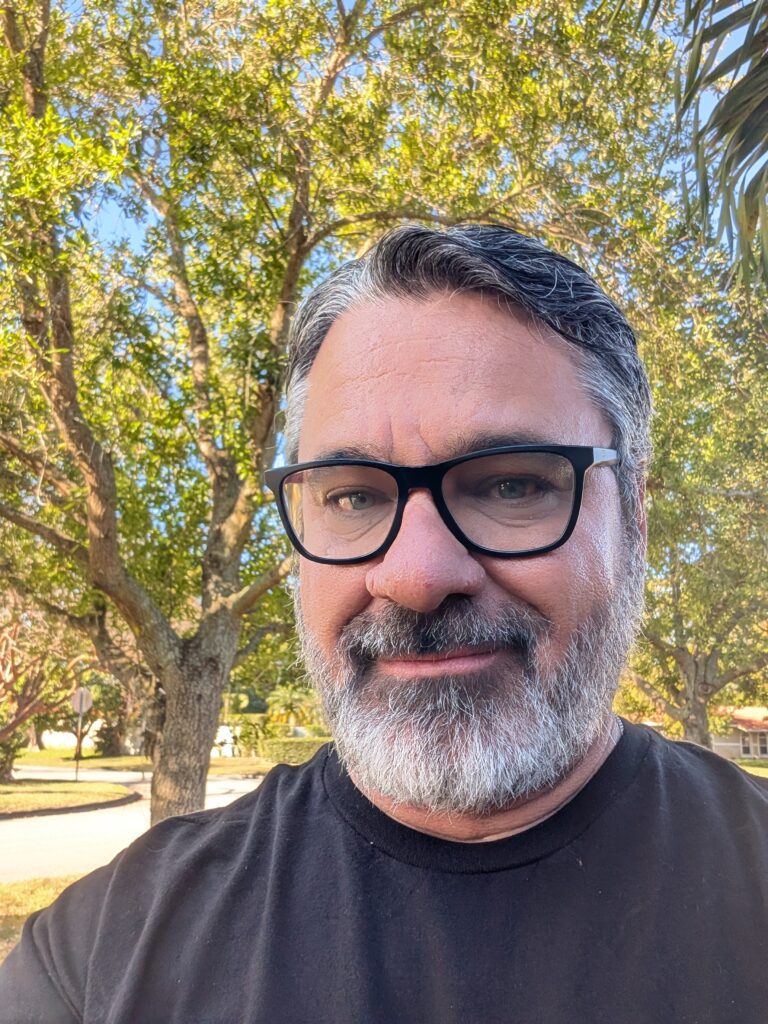
Dan Jones is a trailblazing educator and mentor whose impact spans classrooms, competitions, and career pathways. As a CTE and Computer Science teacher at WPS, Dan is deeply committed to neurodivergent inclusion, designing accessible and empowering tech curricula for all learners. He serves as a Esports, drones and robotics coach, guiding students through hands-on innovation and real-world problem solving.
In 2025, Dan led his team to victory as the ESports Mario Kart 8 World Champions, blending strategy, teamwork, and digital dexterity at the highest level. As a trusted Computer Science Honors Society advisor, he continues to champion student growth, equity, and excellence across the tech landscape.