
College/University Faculty Representative Candidates
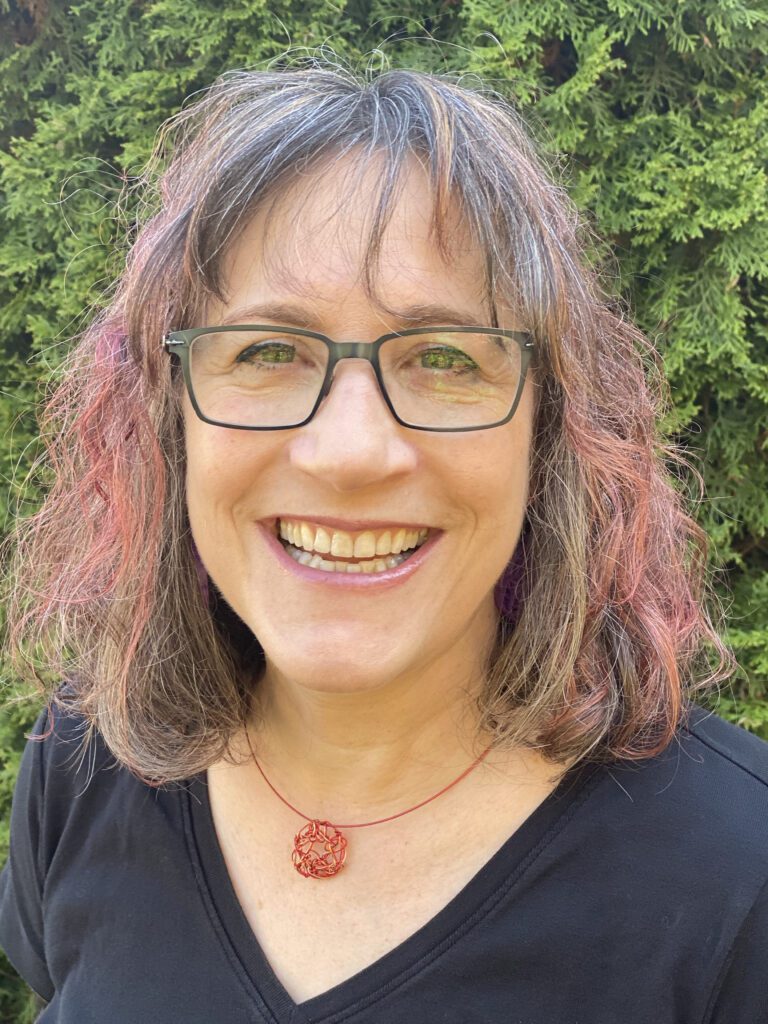
Lauren Bricker
I have been honored to serve as the board College/University Representative for the past two years. When I applied my goal was to cultivate strong CS teacher communities, similar to the one that has been invaluable to me for 17 years. My board tenure has allowed me to better understand how CSTA national runs. Through my involvement in my CSTA chapter and at the national level, I have felt the impact of an organization that adjusts and changes to the needs of its members. As a former K-12 teacher, I know that we must listen to K-12 teachers. As a university professor, I know to stay abreast of current trends in evidence based and equitable teaching methods. Despite this time of uncertain funding, CSTA still commits to providing mentorship, community, quality PD, and developing high quality CS standards, and I commit to helping. A second term will allow me to have more impact to ensure stability, set future directions, and support teachers even when they don’t identify as “CS teachers”.
I have served on the CSTA board for 2 years and am the past president of the CSTA Washington community. Under my leadership we transitioned from four disparate CSTA chapters to one unified chapter while still providing representation from each region. The importance of building a strong CS teacher community across schools in our region is a driving force in the countless hours I’ve invested providing content and connection to teachers through social meet-ups and professional development (PD). Recently I have been supporting regional chapters by developing a leadership summit to encourage and support new leaders to continue the great work we started.
Organizationally, I lean on my skills from my roles as a chapter leader, a board leader of other non profits, and my membership in the WA State ECEP alliance team. My experiences as a manager of up to 25 teaching assistants per quarter and manager in the software industry continue to be useful in navigating sometimes tough situations.
I present as white woman which affords privileges others do not have. I was lucky to learn programming in 11th grade which was not common in the early 80’s and shockingly still is not. Unseen I worked for years in the sexist tech industry, have a chronic health problem, grapple with gender identity and am a Secular Jew. Learning other perspectives and lived experiences is critical for educators. Building equitable, inclusive classrooms is vital to quality CS education; not doing so will do more harm than not teaching CS at all by pushing students “away” from the subject.
I practice what I preach: my job includes teaching classes that support students from first generation, low-income, and underserved communities in WA in their first year(s) at UW and a class on developing accessible user interfaces. I was a member of the first 3C fellows cohort and I spoke in the Code.org Equity in CS video emphasizing the importance of providing student access to computer science in all schools.
I actively participate on the CSTA board as the University representative helping to ensure CSTA can continue effective support of chapters and members. I represent the board on standing committees and participate in ad hoc policy committees.
I have been a local CSTA chapter member since its inception and held at-large, secretary, treasurer, president, and past-president roles. As president, I oversaw the successful merge of four WA chapters into one state chapter that still represents the disparate regions. I helped the CSTA WA chapter find new strong leaders and am developing a leadership summit to help the organization to grow further.
I attended my first CSTA conference in 2010 and have regularly attended since 2019, attend ACM SIGCSE conferences, and review for both conferences as well. I support teachers as a College in the HS coordinator, advise undergraduate and masters students who are doing CS education research, and co-instruct CS education research seminars.
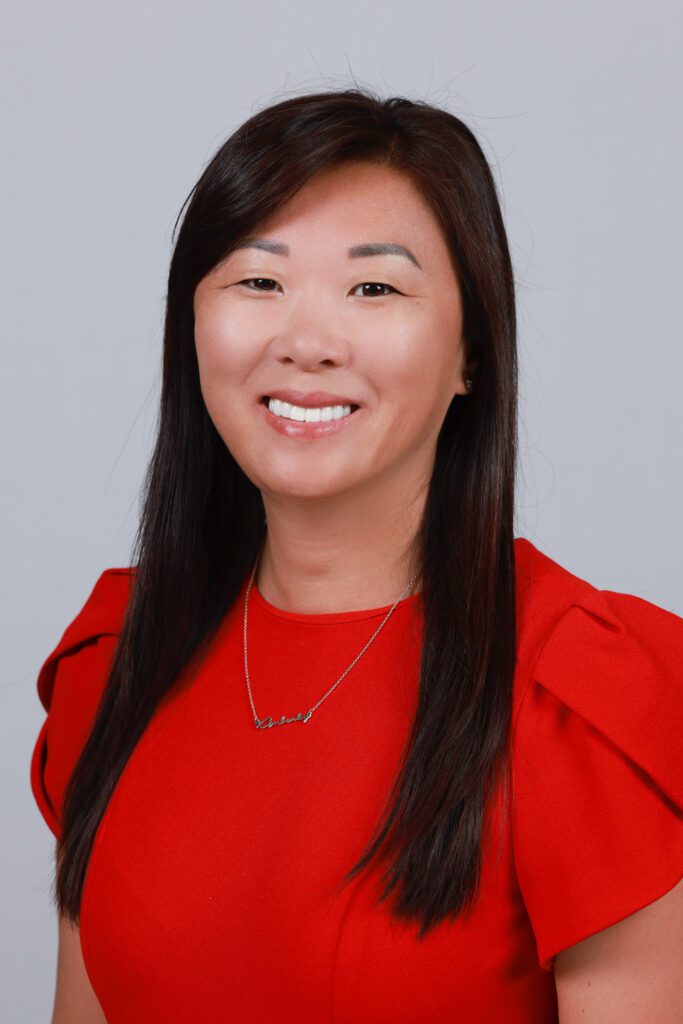
Kimberly Hermans
I am very eager to serve a 2nd term on the board. In my 1st term, I gained a deep understanding of how our organization operates, and I was able to reflect on how we can grow. In this next term, I want to build on that foundation and move from reflection to action. I want CSTA to be a successful organization with membership growth and perceived membership value. With over 15 years as a high school APCSA and APCSP teacher, 6 years in higher education teaching CS, experience with ECEP at the state policy level, consultant work for College Board, and work at the National Science Foundation, I bring a broad perspective on CS education. My perspective on different education levels along with my identity as a BIPOC female computer scientist helps me to understand differing needs in our community. I advocate for a thriving and connected community, high-quality instructional resources, and expanding leadership pathways for CSTA members through CSTA programs, partnerships, and opportunities.
My past experience includes serving as a district mentor, serving as the Community College Working Group Facilitator for ECEP, serving as an Albert Einstein Distinguished Educator Fellow at the National Science Foundation, and serving on the local board of directors for Girls on the Run. These opportunities gave me experience in teacher support, policy advocacy, professional development facilitation, strategic planning, fiscal oversight, and collaborative leadership.
I am a current College Board consultant and mentor, where I present AP Summer Institutes and the AP CSA Webinar Series. I have served on several committees for College Board that have developed the curriculum and resources for AP CSA. These activities have strengthened standards, assessment literacy, and professional learning on a national level. I also currently serve as an Academic Senator for my school, as Finance Team Leader for my international sorority, and as a regional representative for my local CSTA chapter.
I bring sustained, action-oriented experience advancing accessibility, diversity, and inclusion in CS education. To strengthen accessibility, I completed an 8-week course focused on designing fully accessible LMS content and applied those principles to ensure all learners can meaningfully engage with course materials. I also served as the liaison for CS Access and the CSTA Board, elevating accessibility considerations in leadership conversations.
To increase diversity, I have spent the past 10 years intentionally recruiting and retaining young women in computer science. I have supported students through starting and advising Girls Who Code on my campus, hosting community luncheons to build belonging, and connecting students with women CS researchers and role models. To promote inclusion and retention, I voluntarily run skill-building bootcamps for students who need additional support. These efforts have improved persistence, confidence, and representation in my CS programs.
I have served on the CSTA Board for the past two years, during which time, I was the CS Access Liaison and a member of the Volunteer Compensation Task Force, Finance Committee, and Budget Priorities Task Force. These positions contributed to the strategic, fiscal, and equity-centered decision-making at CSTA. At the local level, I serve as a regional representative for my CSTA chapter, organizing biannual meetups that build community and support educator growth.
Nationally, I have presented twice at the CSTA Annual Conference, serve as leader of the AANHPI Affinity Group to foster belonging and representation, and was a reviewer for the K-12 CS Standards revision which helped shape guidance that impacts classrooms nationwide.
I believe that CSTA plays a critical role in the broader K-12 CS ecosystem as the professional home and community for CS educator. It helps to advance standards, leadership, community, and advocacy to ensure high-quality, equitable CS education for all students.
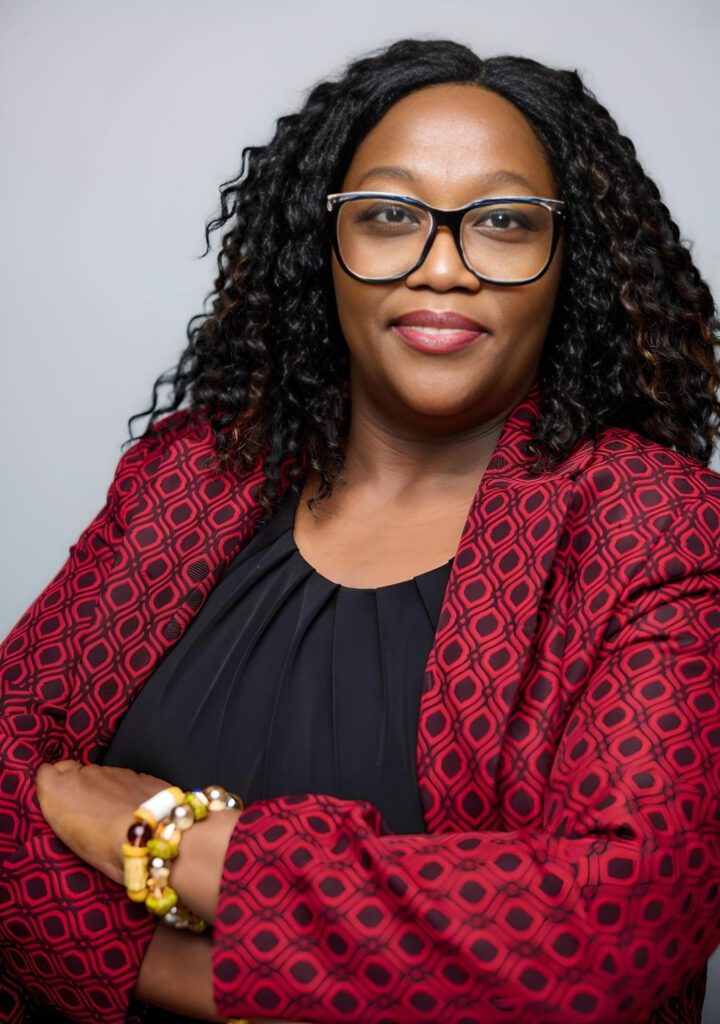
Deborah Kariuki
I seek to serve as College/University Faculty Representative because I sit in a very unique position as an Assistant teaching professor in CS and in Education my work bridges undergraduate computing, cybersecurity, and teacher preparation. I teach first-year computer science and advanced cybersecurity while leading a Master of Arts in Education in Computer Science Education program that I designed to strengthen teacher pipelines. For more than 15 years, I have supported CS for All through AP CSP development, Praxis preparation, and sustained professional learning for teachers. On the Board, I aim to strengthen pathways between K–12 and higher education, expand high-quality professional learning resources, and cultivate educator leadership. This aligns directly with CSTA’s priorities to build thriving communities, equip teachers with strong instructional tools, deepen leadership capacity across the field, and ensure students have high-level instructors to succeed in CS.
As a faculty member in Education and in Engineering and Computing Education, my leadership centers on student success. I teach freshman computer science and advanced cybersecurity, designing curriculum that connects core computing concepts to real-world applications and secure practice. I mentor students at UMBC and nationally through WiCyS, AnitaB.org, NSTMF, and BIC, and serve as a faculty sponsor for student organizations that cultivate leadership and career readiness. As Graduate Program Director, I lead curriculum development, accreditation alignment, budgeting, and faculty collaboration, strengthening my governance and strategic planning skills. Drawing on prior experience as an industry manager, I bring insights into workforce competencies and emerging technologies to educators on what is expected of CS graduates. My broader leadership includes serving as Vice President and President of CSTA in Texas and Maryland, and contributing to national CSTA committees since 2016.
My commitment to equity focuses on enhancing access through teacher preparation. I developed a Master of Arts in Education in Computer Science Education to broaden the pool of well-prepared CS teachers, particularly in districts that serve historically underrepresented students. In Maryland, I contributed to the creation of Praxis preparation resources and have supported teachers statewide in passing the CS Praxis, thereby reducing certification barriers that limit course availability. Additionally, I have trained educators nationwide through various initiatives to help schools expand access to rigorous CS coursework. These efforts directly promote accessibility and inclusion by increasing the number of qualified educators and ensuring that CS opportunities reach students who might otherwise be excluded. This motivation drives my work as a CS faculty member and educator of teachers, while I continuously engage with CSTA to guarantee that all teachers and students are effective
My involvement with CSTA spans local, state, and national leadership. I served in executive roles in CSTA Texas and Maryland, supported chapter growth, and built teacher networks across regions. Since 2012, I have contributed to national committees, reviewed both students’ and teachers’ submissions, and am currently serving on the Professional Development leadership team and as a writer on the High School Standards Revision group. Through this work, I have supported conference sessions, teacher collaboration, and standards refinement. CSTA plays a vital role in the K-12 CS ecosystem by connecting educators, elevating teacher voice, anchoring professional identity for educators, translates standards into practice and strengthening pedagogy, while advancing equitable, high-quality computer science education nationwide and this is why I want to be part of this board either as a CS faculty or Education Teacher Program representative as I do both of these roles at the university level.