
Bringing Agile Practices into the Computer Science Classroom
In today’s technology landscape—especially with the addition of AI—success in computer science goes beyond writing clean code. The best developers are collaborators, problem-solvers, and communicators who can adapt to changing requirements. In other words, they think Agile.
Agile methods, long used in software engineering, emphasize teamwork, iteration, and reflection. When these same principles are brought into the classroom, they not only mirror the real world of computing, but also foster essential 21st-century skills: communication, adaptability, and creative problem-solving.
From Coding Alone to Building Together
Many computer science classes still follow a “waterfall” model where students complete a project step-by-step, and submit a polished final version. In contrast, Agile focuses on process over perfection. Teams create small, working increments of code, share feedback frequently, and reflect on how to improve.
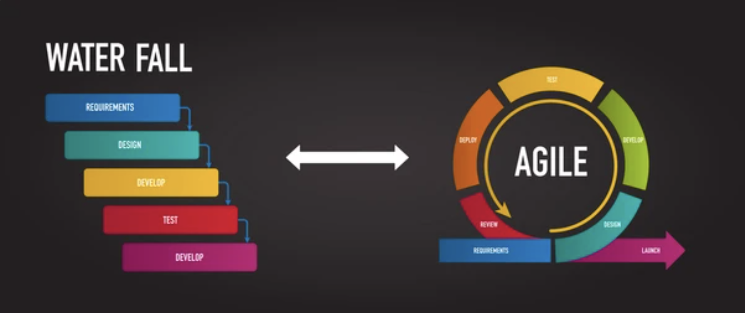
For students, this shift is transformative. It moves learning from “turning in assignments” to building something collaboratively. They learn that code doesn’t have to be perfect before it’s shared, and that improvement is a natural and expected part of development. Most importantly, they learn the value of their voice as input.
What Agile Looks Like in the Classroom
Bringing Agile into education doesn’t mean replicating corporate structures. Instead, it means adapting the mindset: focus on people, feedback, and flexibility. Here are some core Agile practices translated for classroom use:
- Stand-ups: Quick daily or weekly check-ins where students share what they’ve done, what they’re working on, and what challenges they face. This helps teams stay aligned and builds communication habits.
- Sprints: Short work cycles (a few days to a week) where students set clear goals and produce a small piece of functional code or documentation. Sprints keep large projects manageable and momentum high.
- User Stories: Encourage students to write requirements from an end-user’s perspective—“As a user, I want to log in securely so that my data is safe.” This helps them connect coding tasks to real-world needs.
- Retrospectives: After each sprint, students reflect on what went well, what didn’t, and what to improve next time. This develops metacognition and a growth mindset.
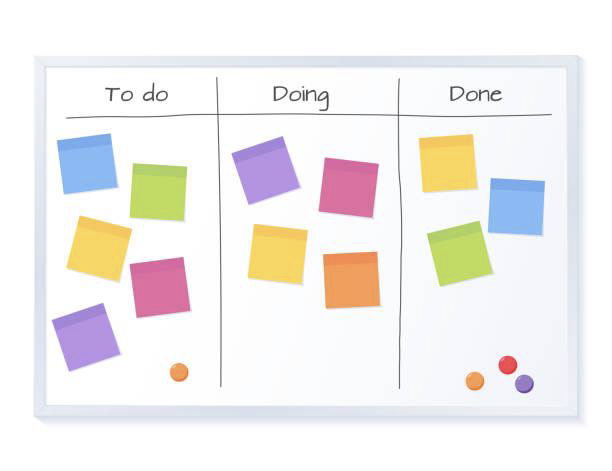
- Kanban Boards: Visual tools (physical sticky notes or digital apps like Trello) that show “To Do,” “In Progress,” and “Done.” These boards promote organization, accountability, and team ownership.
The Benefits for Students
Introducing Agile practices in computer science classrooms develops far more than technical ability:
1. Collaboration and Communication: Students learn how to listen, explain ideas, and negotiate design decisions—skills that matter in every career.
2. Adaptability: Because Agile values flexibility, students practice adjusting to change rather than resisting it.
3. Reduced Perfectionism: By working iteratively, students stop seeing bugs as failures and start seeing them as part of the creative process.
4. Increased Engagement: Frequent feedback and visible progress keep students motivated.
5. Equity and Inclusion: Agile emphasizes teamwork and shared responsibility, creating a learning environment where every contribution has value. Neurodiverse students benefit from the clear visual organization. Visualizing work reduces cognitive load.
In short, Agile helps students think like real developers, people who build, test, reflect, and improve.
Examples in Action
In a Java class, for example, students might build a simple video game using two-week or class sprints. Each sprint focuses on a specific feature: first the player movement, then collision detection, then scoring. At the end of each sprint, teams demonstrate their working feature, get feedback, and refine it for the next round.
In a JavaScript web design course, students might use Trello to manage user interface features. Each student takes a role: developer, designer, tester, and tracks progress on the board. Weekly stand-ups ensure that blockers are addressed early, and retrospectives encourage teams to adjust their workflow.
Clubs like Technology Student Association (TSA) or Girls Who Code can also benefit from Agile approaches. Student teams preparing competition projects can use sprints and retrospectives to stay focused and make visible progress toward deadlines.
Tips for Teachers
Adopting Agile doesn’t have to overhaul your entire course. Start small:
- Begin with stand-ups (can be called a Kagan structure for admin understanding) once a week to check in on project progress.
- Use Kanban boards for group projects to make work transparent.
- Build in time for reflections after major tasks.
- Model Agile language: talk about: “definition of done”, “iterations,” “feedback,” and “prototypes.”
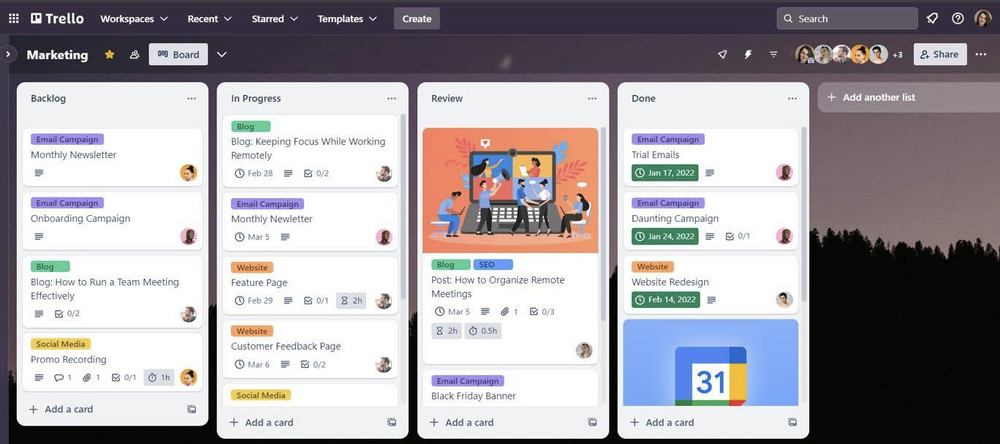
Start with file folders and sticky notes to get comfortable. You can then introduce lightweight digital tools such as Trello, Miro, or Notion to help students manage tasks.
It’s also important to establish norms around teamwork and respect. Assign roles that rotate so students experience different responsibilities: scrum master, developer, tester, designer. Teaching conflict resolution and feedback as part of the process is helpful in all areas of classroom management.
The Bigger Picture: Agile as a Growth Mindset
Ultimately, Agile is more than a project-management system—it’s a philosophy of learning. It reminds students that progress happens through iteration, that feedback is valuable, and that teamwork amplifies creativity. We take for granted that kids just know how to communicate and work together. Before you know it these skills will spill over into other areas. Once the structure is established students feel comfortable collaborating and communicating on many other things.
When we bring Agile into computer science classrooms, we’re doing more than preparing students for the tech workforce. We’re teaching them how to approach challenges with flexibility, collaborate with empathy, and persist through uncertainty skills that extend far beyond code.
By embracing Agile practices, educators can create classrooms where students learn to iterate, adapt, and innovate just like the developers they aspire to become.
Resources
- Scrum Alliance: Scrum Fundamentals
- John Miller: Starting an Agile Classroom
- Agile Classrooms: Articles
About the Author

Christina Quinn is a computer science teacher at Sierra Vista High School in Las Vegas, NV. She has been a teacher for 29 years. She has been lucky enough to teach K-12, including Computer Science Literacy, Web Design, Cybersecurity, Java, Cs Discoveries, CS Principles, and AP CSA. She runs many after-school clubs: Girls Who Code, CS Honor Society, and a new chapter of TSA. Her passion is teaching and empowering girls and minority students to get a seat at the table and solve problems using code.