
9-12 Representative Candidates
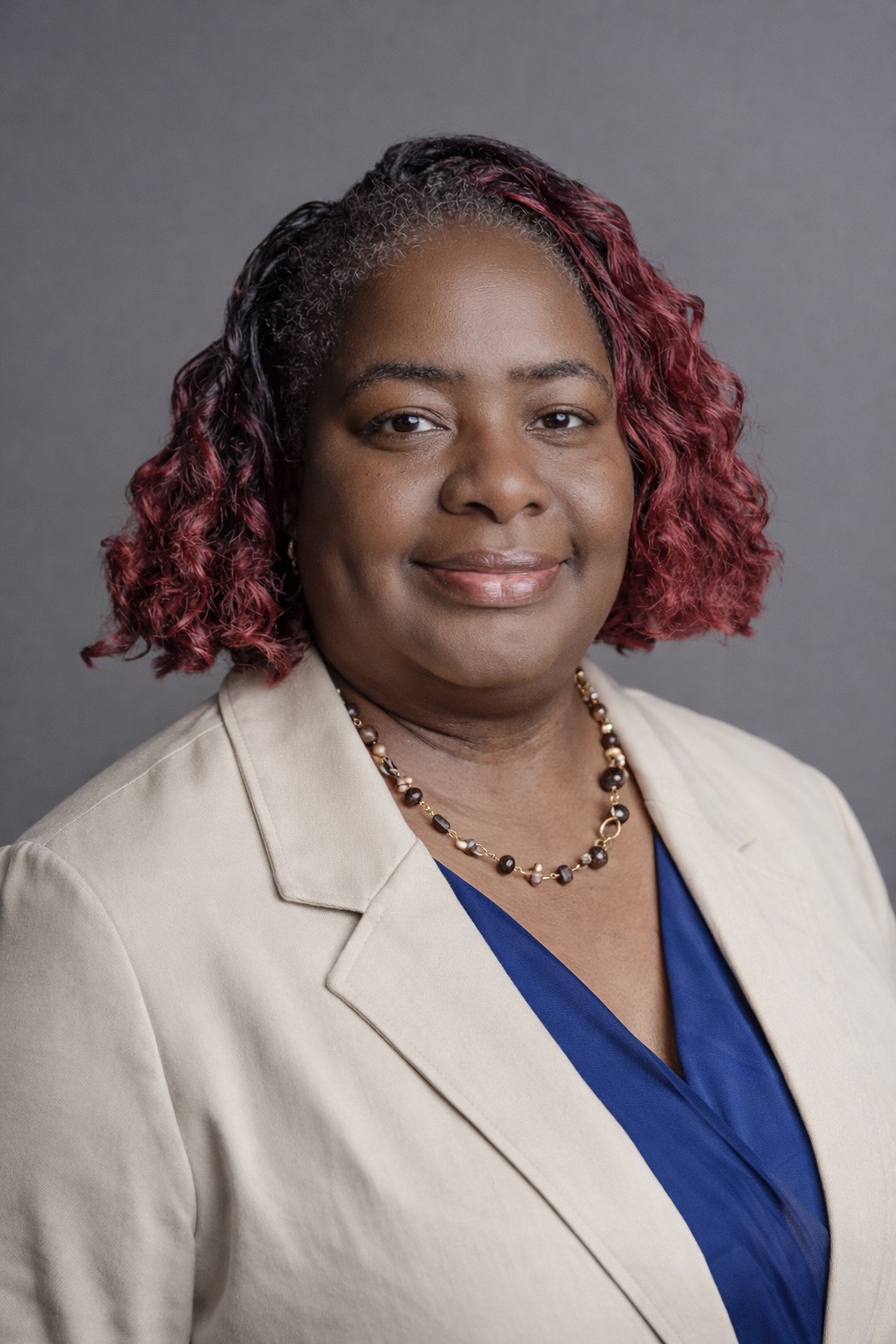
Cassandra Allen
I want to serve on the CSTA Board because I believe access to computer science should not depend on a student’s zip code. Teaching in rural Alabama has shown me how important it is for educators to feel connected, supported, and valued. I bring the perspective of both a classroom teacher and a teacher facilitator working in a small, under-resourced community, and I want to ensure those voices are represented in decision-making. I also support teachers who are new to computer science, helping them navigate how to teach it when they’ve never taught it before and continuing to work with them as they grow in their practice. Because of this, I understand both the day-to-day challenges teachers face and the kind of support that actually helps. As a board member, I want to strengthen professional learning that teachers can really use, increase access to meaningful resources, and create more opportunities for educators to step into leadership roles. This connects directly to CSTA’s priorities.
My leadership skills have been shaped by leading at multiple levels within education. In my classroom, I design real-world computer science experiences that help students see themselves in tech while aligning instruction to state standards. Beyond the classroom, I serve as a lead facilitator for Exploring Computer Science and as a conference team lead, supporting educators through professional learning and collaboration. As a CTE department chair, FBLA adviser, and member of the state FBLA leadership team, I’ve developed strong skills in planning, communication, mentoring, and team leadership. Serving as a building testing coordinator and RTI chair has strengthened my ability to make thoughtful, data-informed decisions that support both students and teachers. Teaching in a rural school system has taught me to lead with flexibility, listen first, and bring people together around shared goals.
Teaching computer science in rural Alabama has shaped my understanding of equity as making sure students have real access, support, and opportunities to succeed. Many of my students face barriers beyond the classroom, so I intentionally build community partnerships that provide financial support, tutoring, and additional resources to meet student needs. In my classroom, I use place-based and project-based learning to create access points for all learners. For example, students apply computer science concepts through our school garden project, where they design and use sensors to monitor soil and environmental conditions. This allows students with different strengths and backgrounds to engage meaningfully alongside their peers. This approach has increased participation, confidence, and interest in computer science, especially for students who may not have seen themselves in CS before. For me, equity means creating conditions where every student can belong, participate, and grow.
My involvement with CSTA has grown alongside my journey as a computer science educator. I am a member of CSTA Alabama and an affinity group (BAG), and I have attended two CSTA conferences. This year, I became a mentor and also served as a reviewer for the new standards. I have participated in CSTA professional learning, including equity-focused courses, which have shaped how I support both students and educators. Through these experiences, I’ve built meaningful connections, shared practices, and brought new ideas back to my classroom and professional networks. From my experience, CSTA plays a critical role in the K–12 CS ecosystem by building community, supporting teacher growth, and giving educators a collective voice to influence how computer science education expands and evolves.
Maria Camarena
I seek to serve on the CSTA Board because I believe equitable computer science education transforms life trajectories and breaks generational cycles for students, their families, and community. As a Latina CS educator, National Board Certified Teacher, and founder of a comprehensive 7–12 CS pathway serving 350+ students annually, I have seen how access, belonging, and representation shift participation in computing. My leadership through CSTA, as an Equity Fellow (IMPACT Fellow), CSHS Advisory Committee member, conference presenter, and contributor to national conversations on pathways, has strengthened my commitment to educator leadership and community building. I hope to amplify underrepresented voices and strengthen systems that ensure every CS educator, and therefore every student, has the opportunity to thrive.
With 20 years in education and as a current CS teacher, I bring a strategic vision rooted in a deep personal commitment to expanding access and opportunity for students who have historically been excluded from computing. My leadership is shaped not only by experience, but by the students and families I serve and the responsibility I feel to open doors for them. I founded and scaled a 7–12 CS pathway, expanded AP participation, secured a second CS educator position, and integrated AI, climate literacy, and project-based learning into our curriculum. Nationally, I serve on the CSTA CSHS Advisory Committee and was selected as a K–12 representative for the NSF-funded Reimagining CS Pathways initiative. As a national presenter and award-winning educator, I facilitate professional learning and mentor peers. My leadership blends collaboration, advocacy, and execution, asking hard questions, building partnerships, and turning vision into systems that expand access and opportunity.
My work centers on accessibility, diversity, and inclusion in action. In a predominantly Latinx community with historically limited CS access, I built a vertically aligned 7–12 pathway now serving over 350 students annually. I founded Girls Who Code and a student-led CS Honor Society to address gender disparities and cultivate belonging. Our students now lead coding camps for elementary students, extending access across the pipeline. Through family engagement initiatives and presentations, I share strategies for building trust and expanding participation. Equity, to me, means systems change: students learning together, leadership opportunities embedded, and representation normalized. The impact has been sustained enrollment growth, increased AP enrollment, and a culture where students see themselves as creators in computing.
My involvement with CSTA spans local, national, and strategic levels. I am a CSTA Equity (IMPACT) Fellow Alumna, was a CSHS Advisory Committee member for 3 years, conference presenter, blog contributor, and national speaker. I helped elevate student leadership through the CSHS Student Leadership Summit and regularly present on equity, pathways, and representation in CS. As a K–12 representative for Reimagining CS Pathways, I contributed to national alignment conversations across secondary, postsecondary, and industry stakeholders. CSTA serves as the professional home for K–12 CS educators, it connects practice, builds belonging, cultivates leadership, and advances policy. I am ready to help accelerate that impact and move the needle for educators and students nationwide.
Kevin Gallagher
Serving on the CSTA Board would allow me to expand the work I have been doing to advance equitable access to computer science education. As a Horace Mann Award recipient, I was recognized for promoting educational equity in computer science within my district. I hope to bring that same mindset to a broader community of educators through CSTA.
With a master’s degree in Data Science from the University of Notre Dame, I have been working to grow and modernize our Computer and Data Science programs while supporting teachers in developing practical, classroom-ready learning experiences. As a Board member, I hope to help strengthen CSTA’s thriving educator community, expand leadership opportunities for CS teachers, and support the development and sharing of high-quality teaching resources.
These goals align closely with CSTA’s mission to empower CS educators and ensure that all students have access to meaningful computer science learning opportunities.
My leadership experience is rooted in the classroom but extends across my school, district, and professional community. As a high school Computer and Data Science educator with nearly three decades in education, I have helped develop and expand CS pathways, including Computer Science Discoveries, AP Computer Science, and Data Science courses. I regularly support colleagues in integrating computer science and computational thinking into their teaching and facilitate professional learning around emerging technologies and data science.
Beyond the classroom, I have served as a department leader and held leadership roles in my professional association, advocating for equitable access to high-quality CS education. These experiences have strengthened my ability to collaborate, build consensus, and make thoughtful decisions. I would bring these leadership and community-building skills to support CSTA’s work in strengthening and expanding the CS educator community.
My commitment to equitable participation in computer science education was recognized through the Horace Mann Award for advancing educational equity in my district. I have worked to expand access by helping develop a Computer and Data Science pathway that includes Computer Science Discoveries, AP Computer Science, and Data Science courses designed to engage a broad range of learners. By creating multiple entry points that emphasize creativity, real-world data, and problem-solving, we made CS more accessible to students who may not initially see themselves in traditional STEM courses. As a result, enrollment in our CS courses has grown and more closely reflects our broader student population. These experiences reinforce my belief that equitable CS education requires intentional program design, strong educator communities, and leadership that expands access for all students.
As Vice President of CSTA Pittsburgh, I support our chapter’s efforts to connect and support computer science educators across the region. Through workshops, meetings, and collaboration with teachers, we work to build a strong professional community that helps educators share ideas, resources, and classroom practices. I have also contributed feedback and suggested revisions to the CSTA standards and related eligible content, helping ensure the guidance reflects practical classroom realities and supports teachers implementing CS across grade levels.
Through this work, I have seen firsthand how CSTA plays a vital role in the K–12 CS ecosystem. CSTA connects educators, amplifies teacher voice in standards and policy discussions, and provides the professional community and resources teachers need to successfully bring computer science to their students.