
Using Esports to Attract New Students with CSTA IMPACT Fellow Anthony Barba
Anthony Barba’s interest in computer science began when he learned to code at age eleven, copying programs from his father’s…
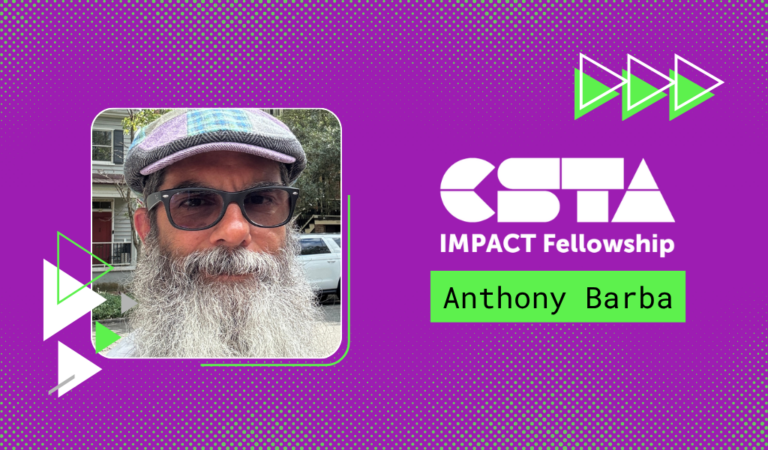
Anthony Barba’s interest in computer science began when he learned to code at age eleven, copying programs from his father’s…
A coworker said something to me recently that stuck, and it didn’t come out of a formal conversation or anything…
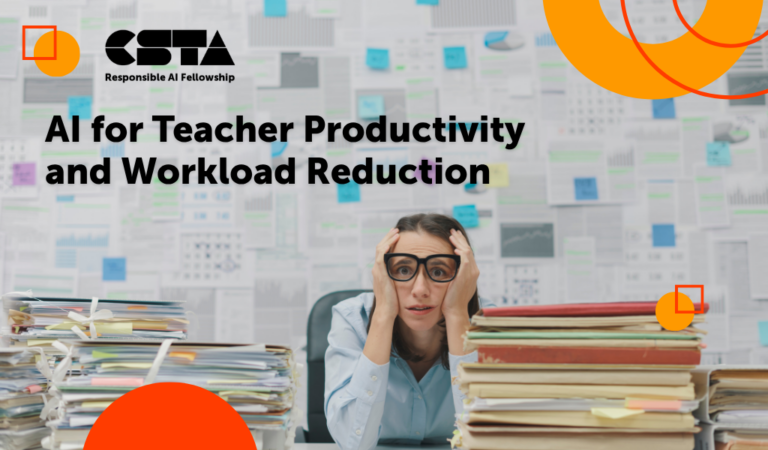
In my role as a teacher, I have had numerous days that began before the bell rang in the morning…
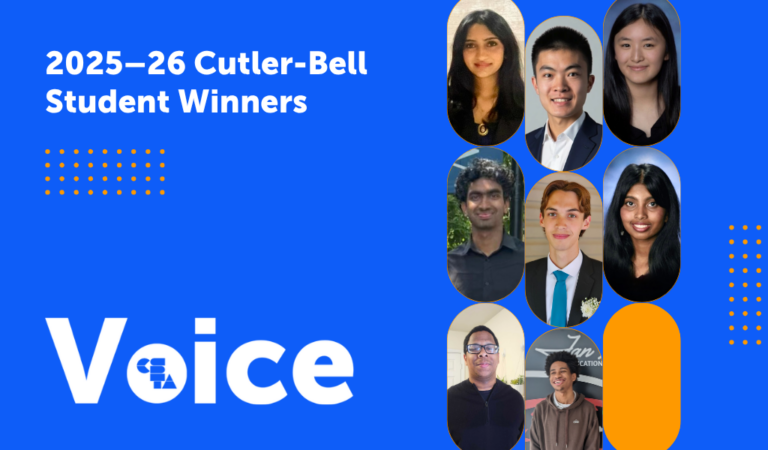
The Association for Computing Machinery (ACM) and the Computer Science Teachers Association (CSTA) announced eight high school students were selected…
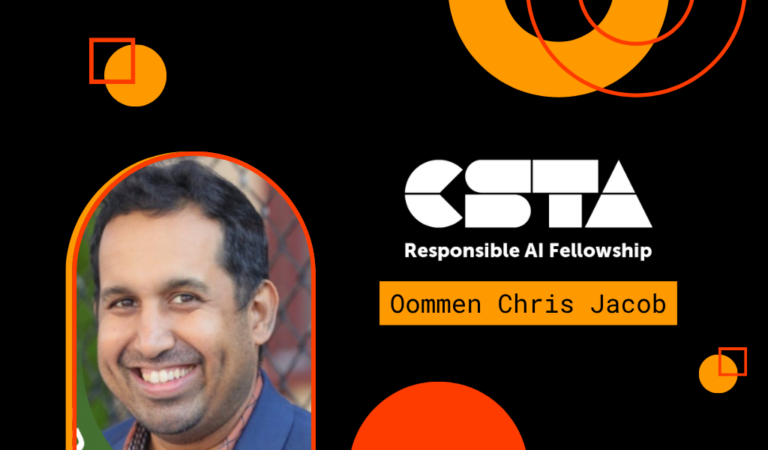
Oommen Chris Jacob is an accomplished leader, educator, and instructional technologist with over 17 years of experience in the New…
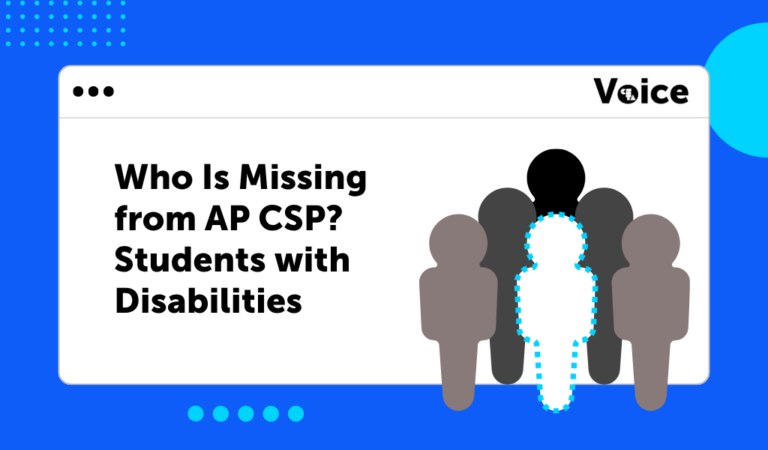
As a former teacher now serving as a state lead, I try to keep one foot in both worlds. I…
The impact of widespread generative AI use is clear in our programming courses. Teachers are scrambling to adapt assignments, assessments,…
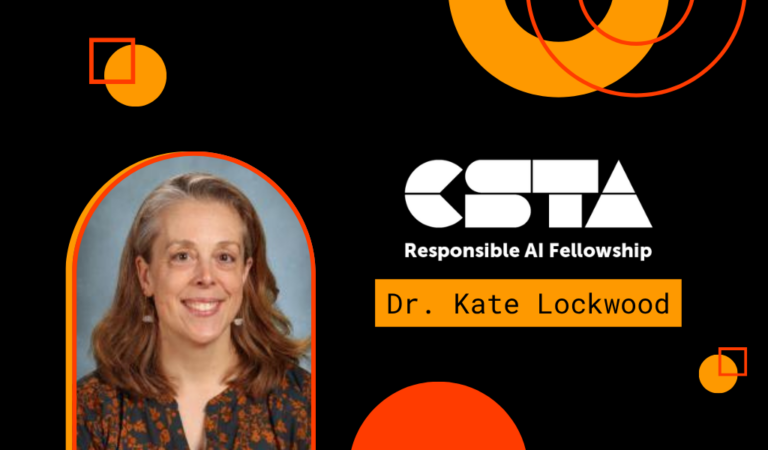
Dr. Kate Lockwood is in her tenth year of teaching high school computer science at St. Paul Academy in St….
Before I became a teacher, I spent nearly two decades working as an electrical engineer, designing integrated circuits for wireless…
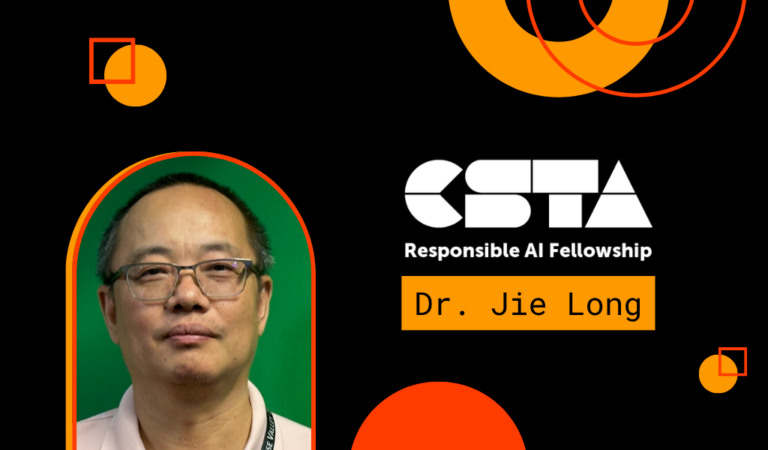
Dr. Jie Long is a computer science and CTE teacher at Paradise Valley High School in Phoenix, AZ, where he…