
The CSTA Responsible AI Fellowship is a prestigious year-long leadership journey that empowers PreK-12 educators to develop ethical, inclusive, and transformative approaches to artificial intelligence teaching. This program addresses the critical need for educators who can navigate the complex landscape of AI education while ensuring responsible innovation in classrooms.
The program brings together approximately 15 fellows who form a dynamic learning community, supporting each other as emerging leaders and driving system-wide change in AI education through collaborative learning and peer mentorship.
Fellowship Focus Areas
Our fellows will develop expertise in:
- Ethical AI Frameworks: Understanding and teaching core principles of responsible AI development and deployment
- Inclusive AI Education: Ensuring AI learning experiences are accessible and relevant to all students.
- Transformative Teaching Practices: Implementing pedagogical approaches that help students critically analyze AI’s impact on society
- Leadership and Advocacy: Building capacity to champion responsible AI education at local, state, and national levels
Meet the Cohorts
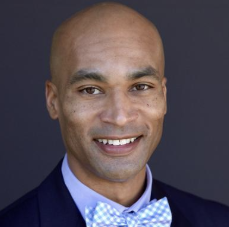
Responsible AI Fellow, Cohort 2
Alphana “Alfie” Hobbs (He/Him)
Alfie Hobbs is currently the Head of Upper School at Pacific Ridge School, who also teaches programming to Upper School students. For the past 11 years, Alfie has taught computer science, with an interest in how programming and technology can be used for equity work and to ensure there is equitable access to opportunity to the field. Prior to teaching, Alfie worked in the field of technology as a computer programmer, designer and Project Manager at IBM and Truist Bank. He received his B.S. in Computer Science from Hampton University, an M.B.A. from North Carolina Central University and an Ed.S. in Curriculum and Instruction with an emphasis in Educational Technology from the University of Florida.
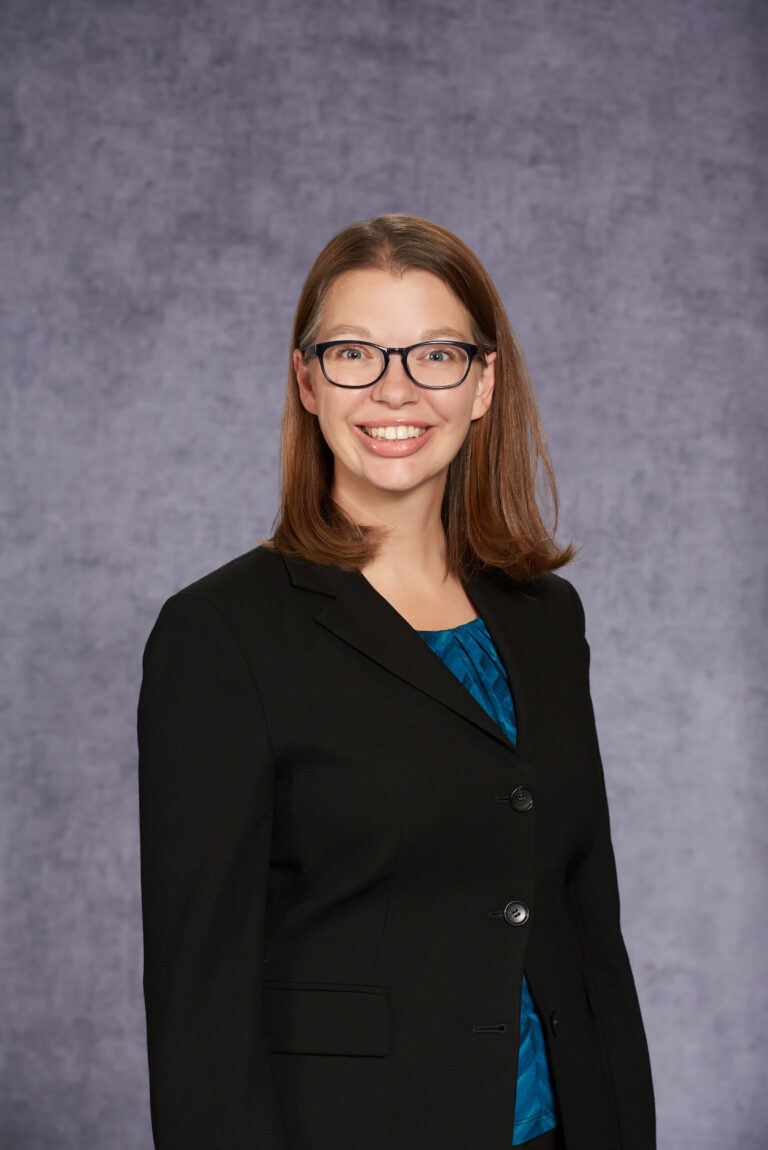
Responsible AI Fellow, Cohort 2
Amber Melander (She/Her)
Amber Melander is a dedicated educator with over a decade of experience in creating engaging learning environments that effectively integrate technology. She holds a Master’s Degree in STEM education and has taught diverse students from elementary to middle school across three states.
Amber’s teaching philosophy emphasizes self-directed learning, differentiation, and critical thinking, fostering a supportive and inclusive atmosphere. She has established and supported robotics and coding clubs for younger students.
Beyond the classroom, Amber is involved in curriculum development and educational leadership, leading workshops for fellow educators and contributing to elementary computer science curriculum initiatives. As the AI specialist at her school and an AI Fellow through aiEDU,she advocates for teaching the skills necessary for students to thrive in a future shaped by AI including computational thinking, collaborative leadership, data analysis, and ethics.
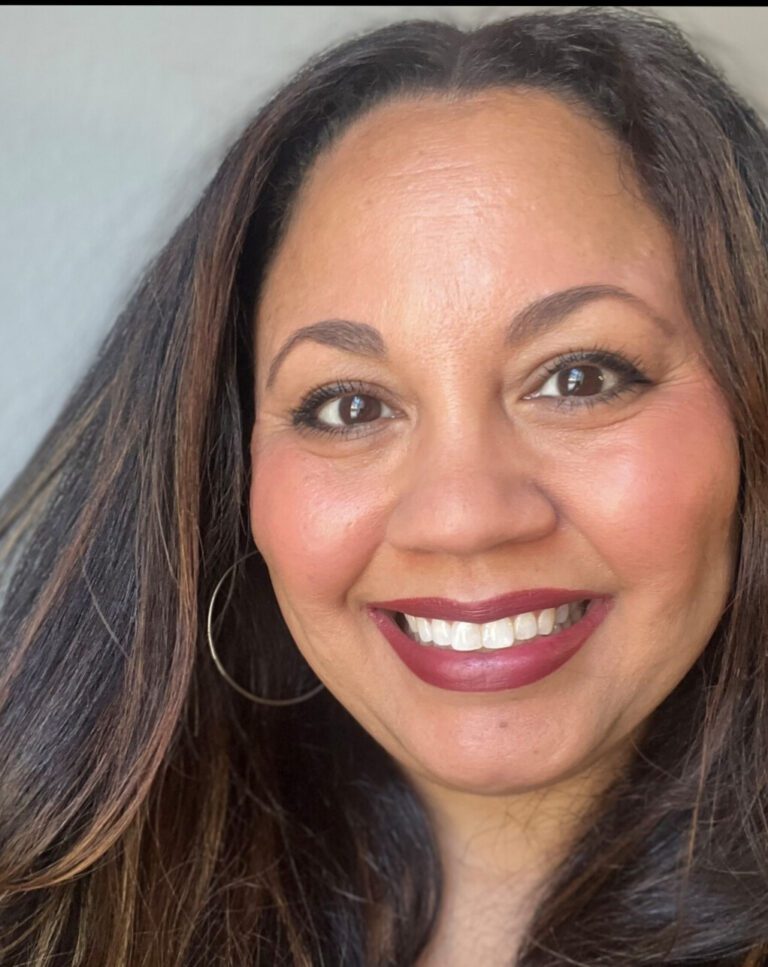
Responsible AI Fellow, Cohort 1
Angela Chavez (She/Her)
Angela Chavez is a dedicated CS Champion and advocate for expanding computer science access in elementary schools. She has begun fusing her work in CS with AI – access, responsible use, representation, and integration, starting with her elementary age students and sharing best practices with others. She currently teaches 5th grade at Computer Science Virtual Academy and serves as a CS for Good Champion at her school site.
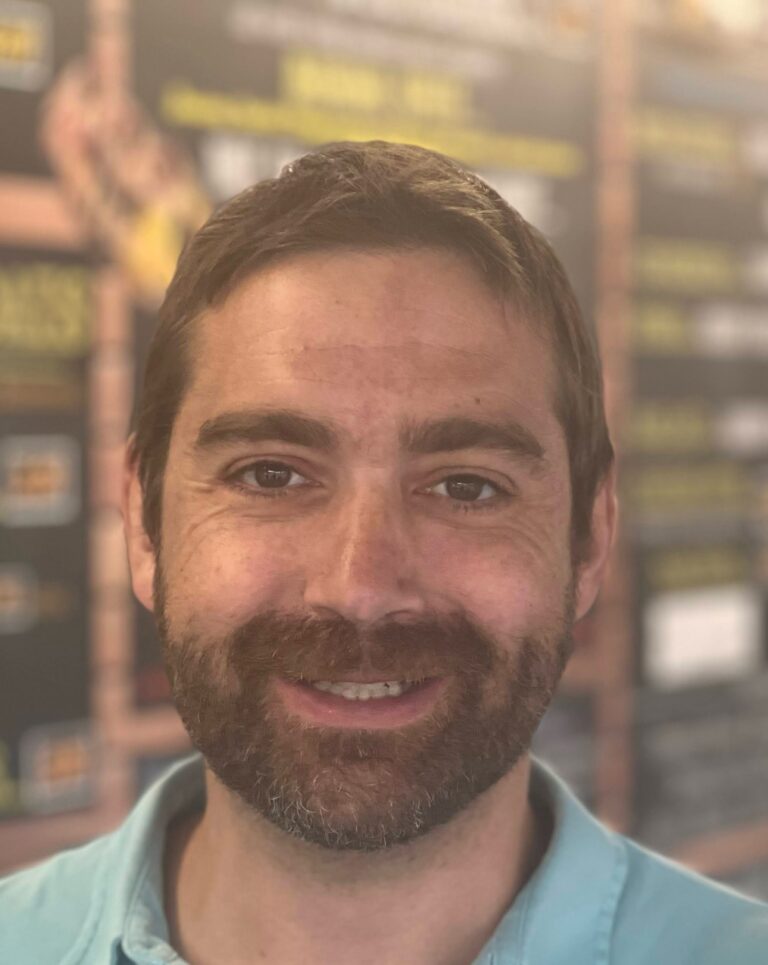
Responsible AI Fellow, Cohort 2
Bradley Ditto (He/Him)
Bradley Ditto is a Grade 4 teacher and technology education specialist in Allegany County Public Schools (ACPS) in Maryland. With a background in elementary and technology education, Brad is committed to making computer science and AI accessible to younger learners. He is one of the main volunteers with the REACT Organization (Robotics and Engineering in Allegany County Together), a nonprofit providing K-12 robotics and engineering outreach. Brad volunteers with the Allegany Museum, where he created a Young George Washington Chabot and is developing a museum kiosk to engage visitors with local history through interactive technology. He has led professional development and afterschool programs educating students about artificial intelligence, including presentations at the local library and community programs, and spoke at Future Ready Maryland at UMBC. He authored a book on OR comments for teachers, published in 2024. Currently pursuing his Computer Science teaching certification, Brad develops innovative approaches to integrating CS with place-based learning and local history, focusing on narrowing equity gaps in elementary CS education.
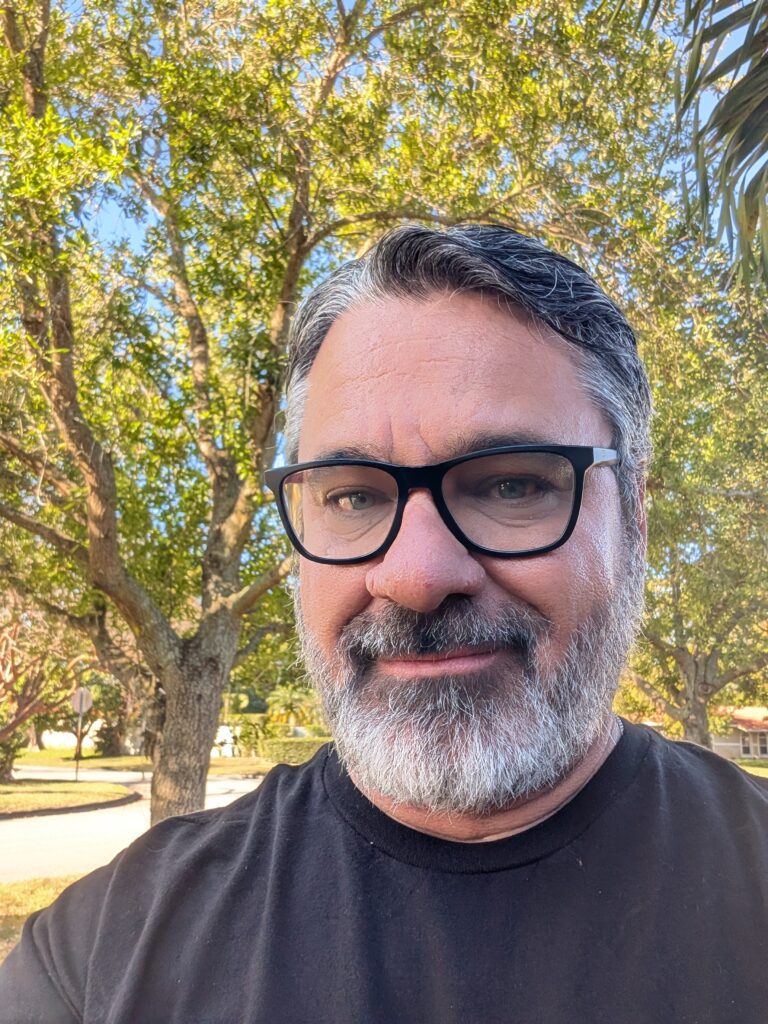
Responsible AI Fellow, Cohort 1
Daniel Jones (He/Him)
Dan Jones is a trailblazing educator and mentor whose impact spans classrooms, competitions, and career pathways. As a CTE and Computer Science teacher at WPS, Dan is deeply committed to neurodivergent inclusion, designing accessible and empowering tech curricula for all learners. He serves as a Esports, drones and robotics coach, guiding students through hands-on innovation and real-world problem solving.
In 2025, Dan led his team to victory as the ESports Mario Kart 8 World Champions, blending strategy, teamwork, and digital dexterity at the highest level. As a trusted Computer Science Honors Society advisor, he continues to champion student growth, equity, and excellence across the tech landscape.
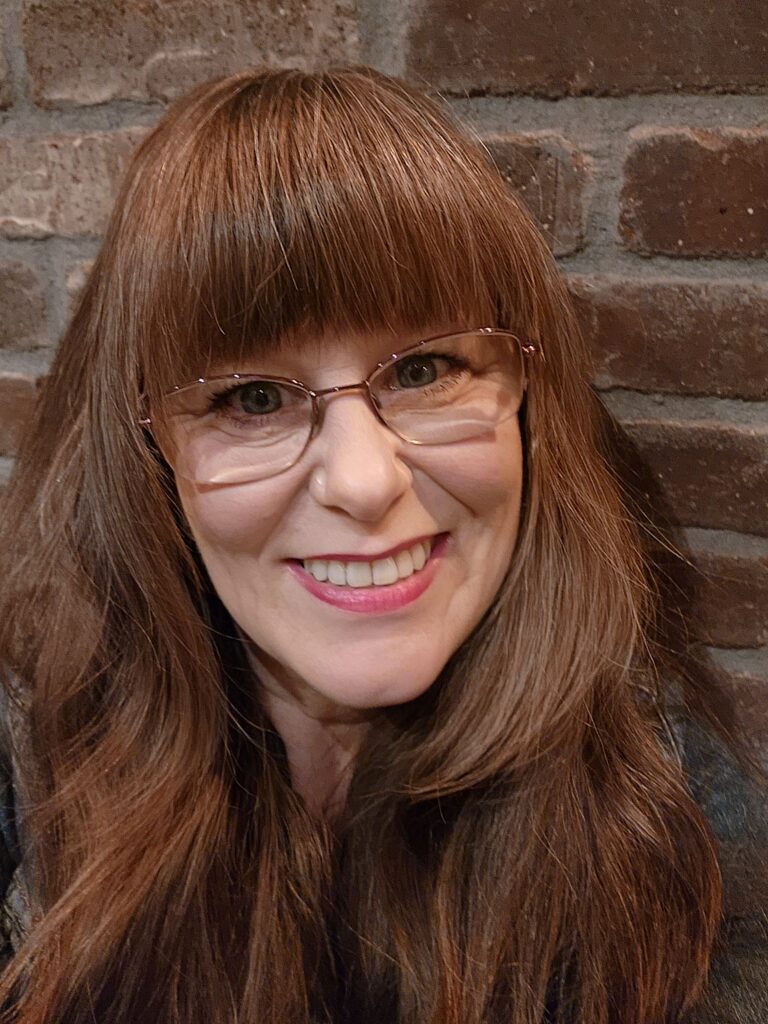
Responsible AI Fellow, Cohort 1
Denise Thompson (She/Her)
Denise Thompson has been teaching for over twenty years at Orting High School in Orting, Washington. She is currently the STEM Club advisor and coaches a Technology Student Association team while also teaching CTE STEM, College in the High School computer science, and AP Biology. She serves in several leadership roles, including the building Instructional Leadership Team, serving as a BEST Mentor, and as a newly elected CSTA Washington Vice President. Denise has spent her career advocating for the integration of computer science and other core academic subjects, including exploring bioinformatics and brain-computer interface in computer science classes, as well as leading professional development supporting the integration of computational thinking, modeling, and data visualization within non-STEM courses. In addition, she served as an Albert Einstein Distinguished Educator Capitol Hill Fellow in a senatorial office advancing STEM, education, and environmental priorities. On her down time, Denise enjoys hiking with her two cattle dogs Chip and Lucky, antiquing with her husband or playing Grandma to her five grand-children.
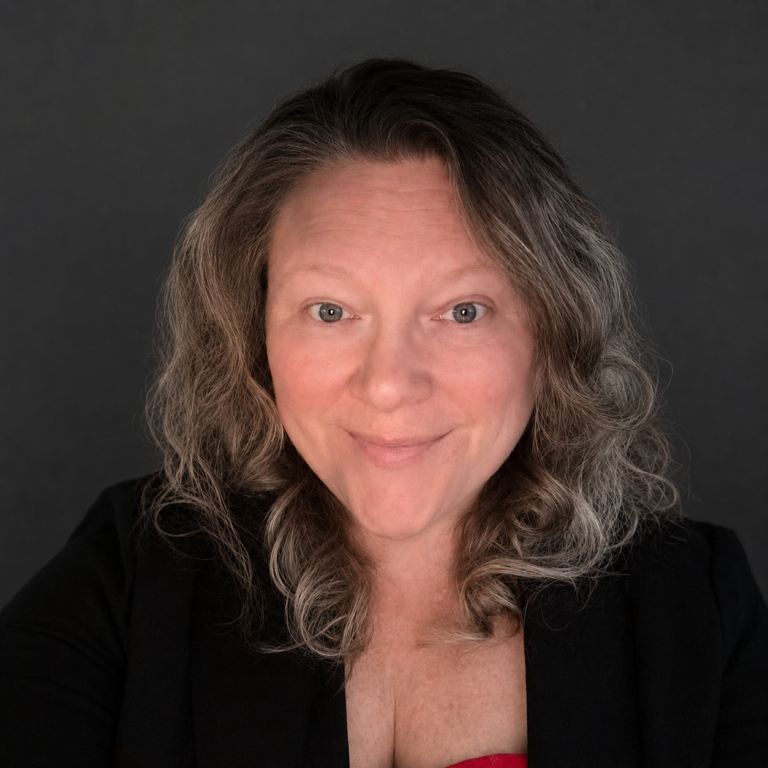
Responsible AI Fellow, Cohort 2
Dr. Amanda McBride (She/Her)
Dr. McBride is a high school Computer Science educator in rural Tennessee who is passionate about expanding access to innovative technology education and authentic STEM experiences for students. With a background in computer science, English, science, and social studies education, she focuses on interdisciplinary, project-based learning that connects emerging technologies to real-world problem solving. Dr. McBride has led initiatives involving artificial intelligence, drones, robotics, augmented reality, and computational thinking, with an emphasis on preparing rural students for future careers in STEM. She also serves on state and national computer science standards review teams and actively supports student leadership through organizations such as TSA. In addition to her classroom and leadership work, Dr. McBride is the author of a book focused on helping educators integrate computational thinking and computer science concepts into everyday teaching practices.
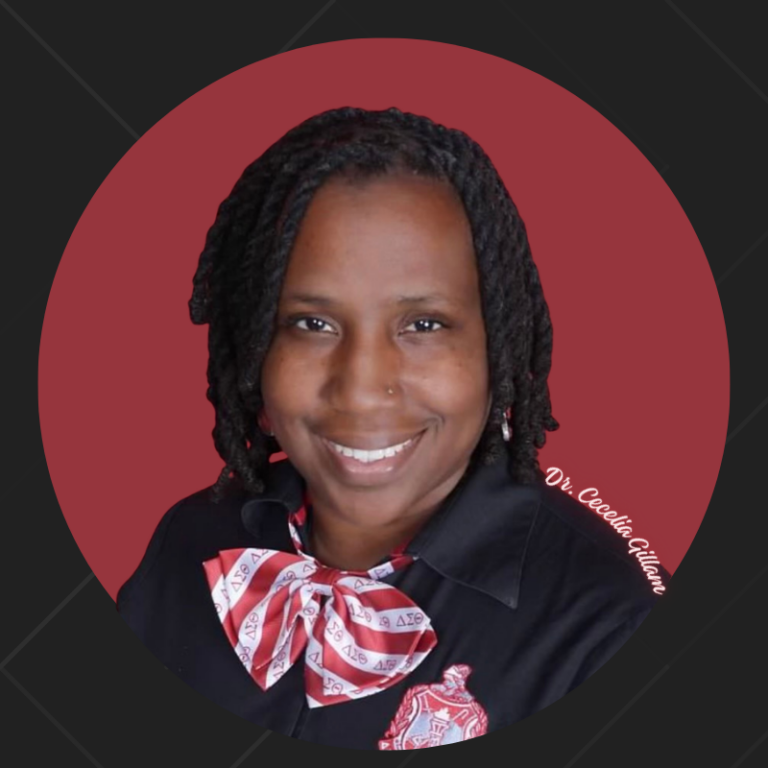
Responsible AI Fellow, Cohort 2
Dr. Cecelia Gillam (She/Her)
Dr. Cecelia Gillam has a Doctorate in Educational Leadership and has been teaching STEAM classes for over twenty years. She teaches at Benjamin Franklin High School in New Orleans, La. She is an ambassador for Pear Deck Learning and Edpuzzle. Dr. Gillam earned the distinction of being an ISTE Certified Educator and a Trendsetter for Vernier. She is also an Expert Mentor for The Modern Classroom Project. She works with other educators from around the world. She has participated in many AI Fellowships such as ISTE Generations AI, aiEDU Trailblazer, aiELC Fellowship and Pulitzer Center AI Teacher Advisory council to name a few. She has won numerous awards including the ISTE Luminary Award and authored a book, Black Girl, Black Girl you are AMAZING!
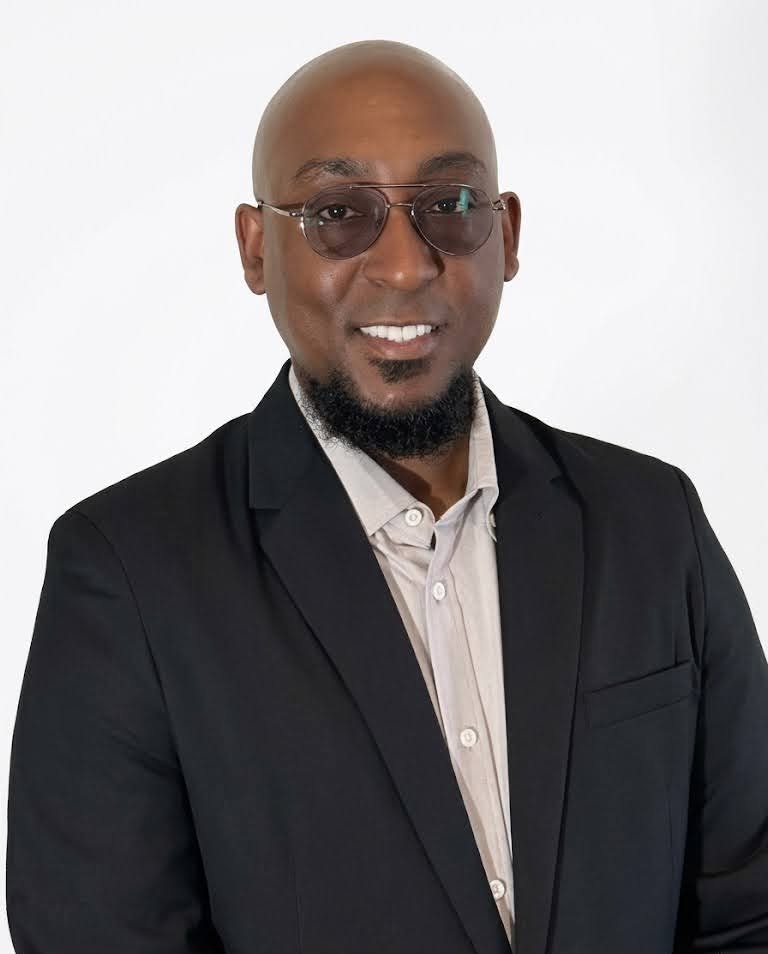
Responsible AI Fellow, Cohort 2
Dr. Eugene Pope (He/Him)
Dr. Eugene Pope is a distinguished computer science instructor with twenty-three years of expertise in cultivating the next generation of technical leaders. As a dedicated “relational mentor,” he utilizes inquiry-based learning and culturally relevant curriculum to transform students from passive technology users into confident, independent problem-solvers. Beyond his own classroom, Dr. Pope has spent the past two years as an ECS facilitator, training future computer science teachers within the Chicago Public Schools system. His commitment to professional excellence is further highlighted by a 2024 externship at Google, where he gained cutting-edge industry insights to share with his students. In recognition of his profound impact on urban education and student agency, Dr. Pope was honored as a 2026 Chicago Public Schools CS Hero.
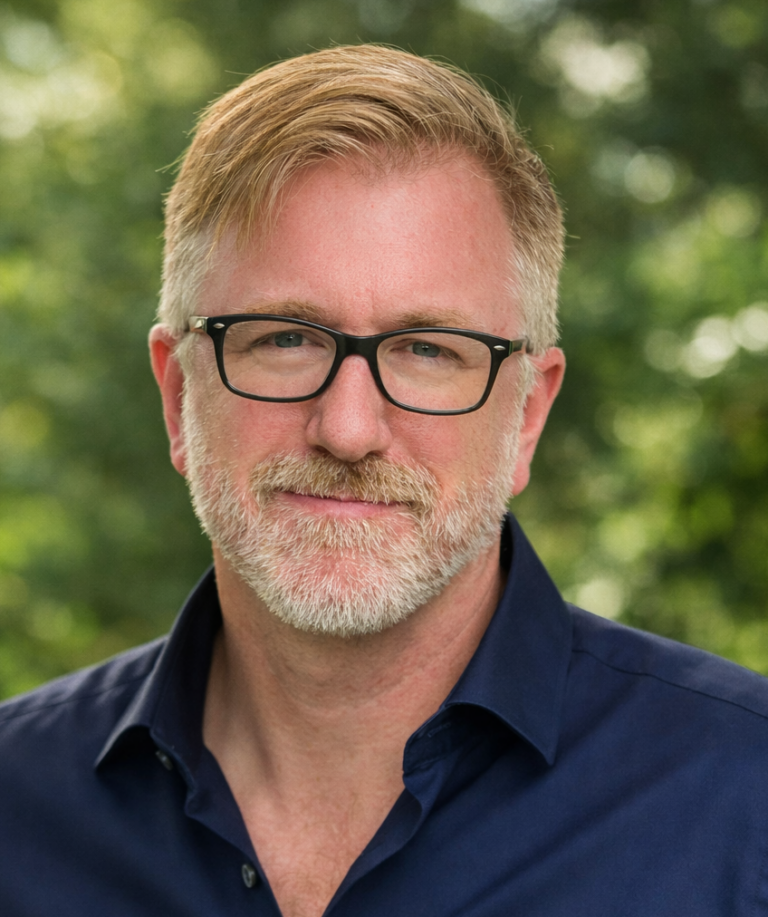
Responsible AI Fellow, Cohort 2
Dr. Gus Lott (He/Him)
Gus Lott teaches AI, programming, robotics, neuroscience, and the philosophy of science to grades 9–12 at Manlius Pebble Hill School (Syracuse, NY). Since 2023 he has built a humanistic-AI curriculum, “AI: A Human Perspective,” which is an elective that more than half of MPH’s Upper School has taken. The course uses AI as a mirror for examining the human condition, learning how the technology functions, and asks existential questions like: what is creativity, what is intelligence, can these systems be conscious, what do these bias-prone tools tell us about our present and how will they shape our future? Before MPH, Gus spent two decades in industry, as a neuroscientist, electrical engineer, and most recently as a Principal Research Scientist on Amazon’s Prime Air drone delivery program. Gus obtained a PhD in Biophysics from Cornell University and later completed a Master of Divinity at Austin Seminary. He lives in Fayetteville, NY with his wife and four sons and volunteers as an EMT with the Fayetteville Fire Department.
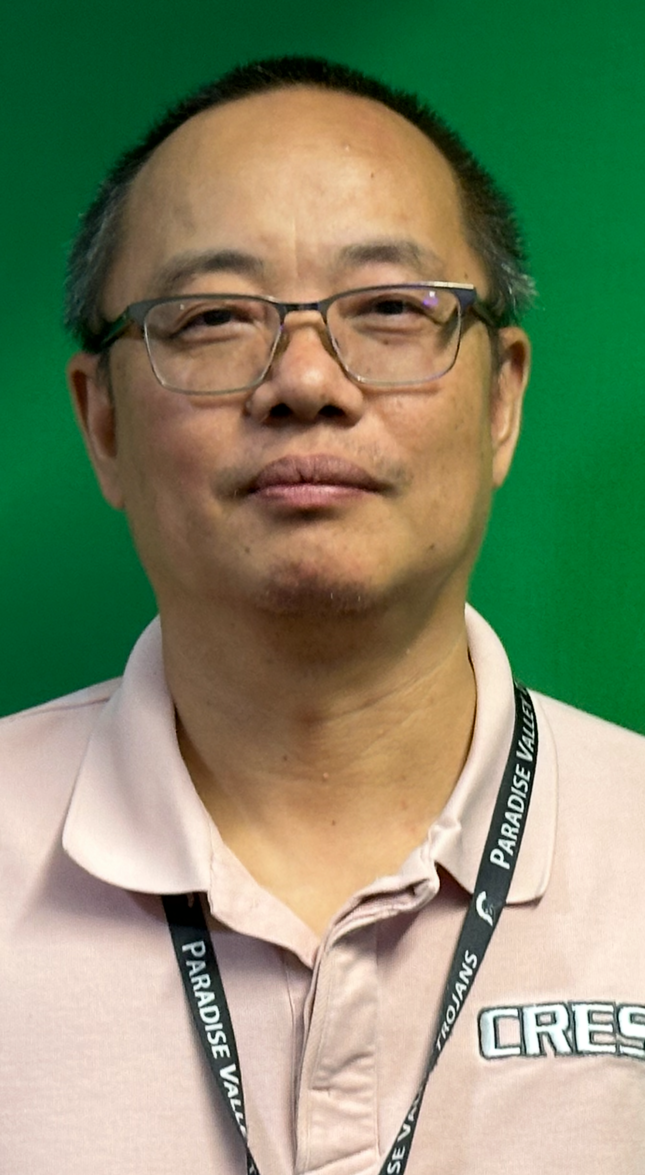
Responsible AI Fellow, Cohort 1
Dr. Jie Long (He/Him)
Dr. Jie Long is a Computer Science and CTE teacher at Paradise Valley High School in Phoenix, Arizona, where he teaches cybersecurity, Python programming, AP Computer Science Principles, and IT Essentials. He integrates CompTIA A+ and Security+ curricula with hands-on projects that prepare students for industry certifications and careers in technology, and actively advocates for increased opportunities for underrepresented groups in computing. Dr. Long holds a Ph.D. in electrical engineering from Iowa State University and is dedicated to ensuring all students have access to high-quality computer science education. In his free time, he enjoys hiking and exploring the outdoors.

Responsible AI Fellow, Cohort 1
Dr. Kate Lockwood (She/Her)
Dr. Kate Lockwood is in her 10th year of teaching high school computer science at St. Paul Academy in St. Paul, Minnesota, after transitioning from higher ed to K-12. Kate holds bachelor’s and master’s degrees from the University of Michigan and a PhD in Computer Science from Northwestern University. As co-president of the Minnesota chapter of the CSTA, Kate advocates for expanded access to computer science education for all Minnesota students, and is committed to providing increased belonging and empowerment through computer science to students nationwide. Kate was also part of the 9-12 grade band team of the AI4K12 project and is excited to continue to work to bring high-quality AI opportunities to K-12 students and teachers.
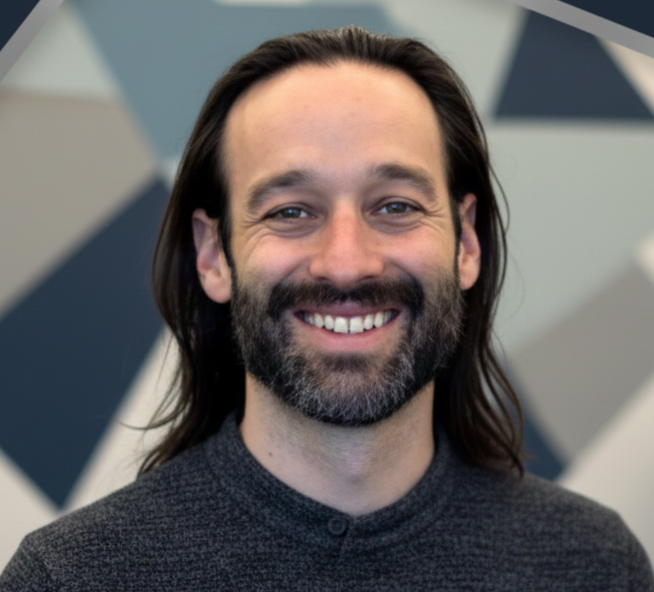
Responsible AI Fellow, Cohort 2
Eitan Fire (He/Him)
Eitan Fire is a computer science teacher at Jefferson Academy Secondary in Colorado, where he helps students engage critically, ethically, and creatively with artificial intelligence. He teaches courses ranging from cybersecurity to AI Entrepreneurship and develops AI-powered educational software to support stronger teaching and learning. His projects include Missing Voices (missingvoices.app), a tool that helps students and teachers identify perspectives that may be sidelined or overlooked in research and writing. Outside the classroom, he co-organizes BoulderJS, a meetup community for JavaScript, TypeScript, and AI practitioners. His work sits at the intersection of software development, classroom practice, and leadership in shaping the ethical future of AI in education.
Responsible AI Fellow, Cohort 1
Elexis Allen (She/Her)
Elexis Allen is a Computer Science Instructor at CodeCrew in Memphis, TN, with a strong background in biomedical engineering and data science. She integrates artificial intelligence, technology, and medical device knowledge into K–12 programming and software development curricula, designing health-centered and innovative learning experiences. Elexis created Healthy Bytes, a program that bridges computer science and physical therapy through hands-on applications in coding, biomechanics, AI, and data analysis. She earned her Master’s in Data Science from Eastern University, specializing in computational modeling and machine learning. As a published author, her contributions to AI research include two IEEE papers: Adapting Random Forests to Predict Obesity-Associated Gene Expression and Towards Faster Gene Expression Prediction via Dimensionality Reduction and Feature Selection. She also authored Scratch Day: Hands-On Computational Thinking Activities for Youth and Adults in the Journal of Technology-Integrated Lessons and Teaching. Her work continues to advance both AI research and equitable computer science education.
Responsible AI Fellow, Cohort 2
Gieshala “Gigi” Mims (She/Her)
Gieshala Mims has been teaching for over 20 years and currently teaches the computer science curriculum, Cyber Foundations II, and STEM at Senatobia Middle School in the Senatobia Municipal School District in Mississippi. Gieshala was selected as the 2017-2018 District Teacher of the Year for the Senatobia Municipal School District and has recently been selected as the 2025-2026 District Teacher of the Year for Senatobia. She has been busy developing a STEM/STEAM lab for her school and serves as a Research Educator Fellow for the Mississippi AI Collaborative, an ISTE+ASCD Generation AI Communities of Practice Fellow, and an imagi Educator Ambassador. Gieshala received her undergraduate degree in Real Estate and Mortgage Finance and an MBA from Mississippi State University. She holds a specialist degree in Curriculum and Instruction from the University of Phoenix, where she is currently pursuing a doctoral degree in Educational Technology.
Responsible AI Fellow, Cohort 2
Jedediyah “Jed” Williams (He/Him)
Jedediyah Williams is a high school STEM teacher in Massachusetts and a recipient of the Presidential Awards for Excellence in Mathematics and Science Teaching (PAEMST). He served his previous district as a Science Department Head and Mathematics Department Head. Jedediyah holds a B.S. in Computer Systems Engineering, a M.Ed. in Curriculum and Teaching, and a Ph.D. in Computer Science. Jedediyah’s undergraduate research focused on AI sensor networks for smart homes. As a graduate student, Jedediyah was a recipient of an NSF Graduate K-12 Teaching Fellowship and helped develop culturally situated design tools for mathematics classrooms. His later research focused on multibody dynamics and the simulation of robotic systems. Jedediyah’s work has reached the finals of the DARPA Robotics Challenge as well as the finals of two NASA Centennial Challenges, building AI systems for semi- and fully-autonomous robots in support of missions to the Moon and Mars.
Responsible AI Fellow, Cohort 2
Jennifer “Jenny” O’Sullivan (She/Her)
Jenny O’Sullivan teaches in the K–5 Innovation Lab at A.D. Henderson University School on the Florida Atlantic University campus. With 23 years of experience in elementary and STEAM education, she designs hands‑on learning experiences that integrate artificial intelligence, CS, 3D printing, augmented reality, green screens, and creative design for problem‑solving. She is currently part of a collaborative research team examining how elementary students write and refine generative AI prompts to support literacy projects. A two‑time FAU Lab School District Teacher of the Year and Stiles‑Nicholson STEM Teacher Fellow, Jenny regularly presents nationally on STEAM topics.
Responsible AI Fellow, Cohort 1
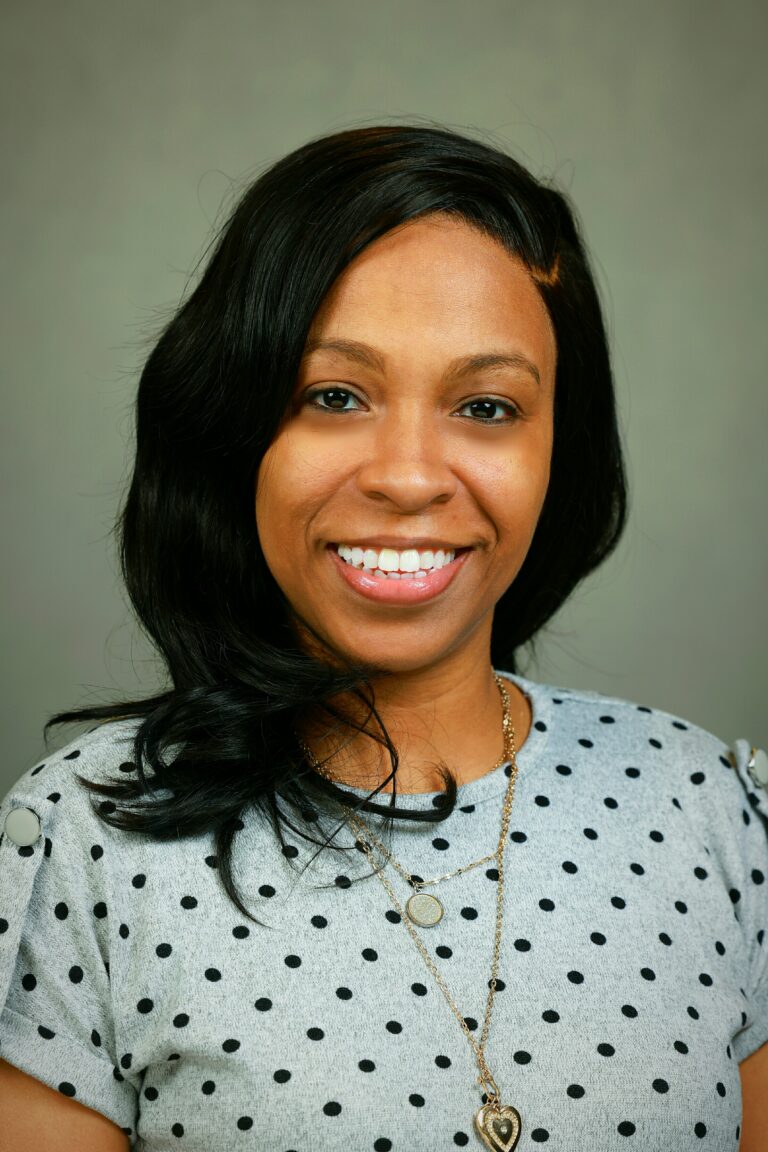
Latoya Jones (She/Her)
Latoya Jones is a Media Specialist at Sanders Park Elementary in Broward County, Florida, where she integrates literacy, computer science, and emerging technologies into K–5 learning. She recently earned her Master’s in Curriculum & Instruction with a concentration in Computer Science Education and is passionate about helping students and teachers explore responsible and creative uses of AI.
Responsible AI Fellow, Cohort 2
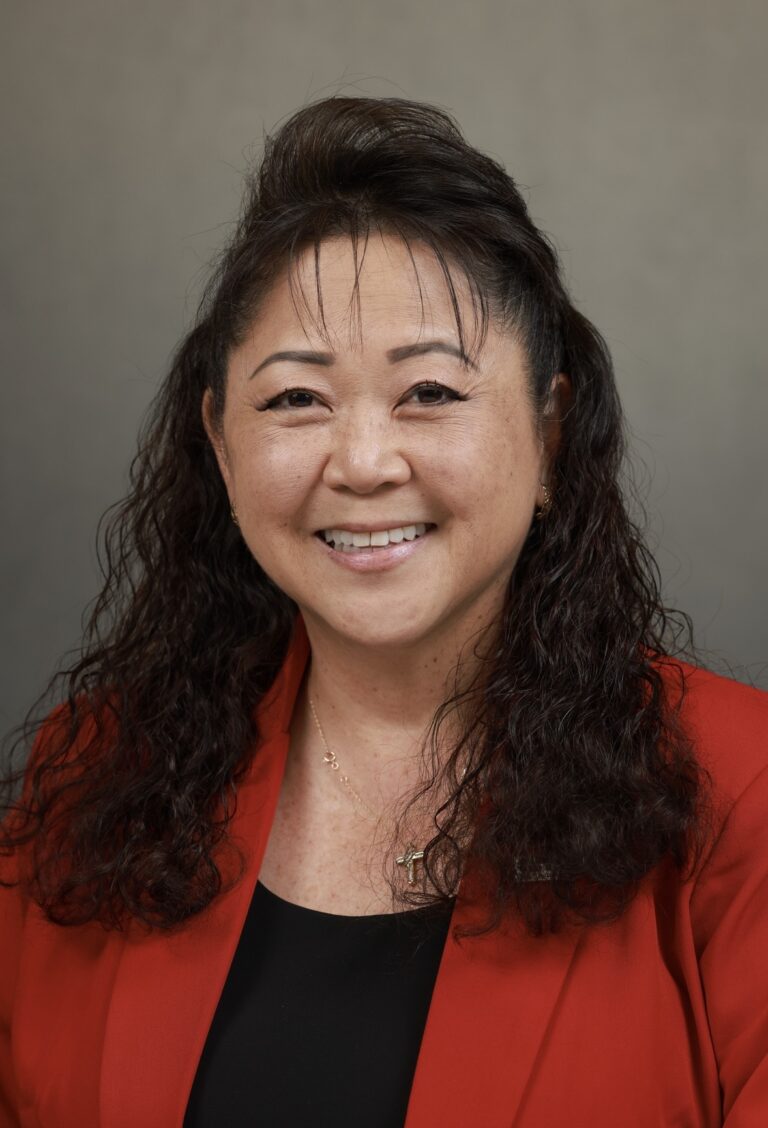
Leah Aiwohi (She/Her)
Leah Aiwohi brings extensive experience in computer science, cybersecurity, and digital media education within rural Hawai‘i schools. As an advocate for equitable and culturally responsive computer science education, she has led initiatives that expand access to emerging technologies for underrepresented students. Her work focuses on empowering students to become thoughtful creators and critical consumers of technology while fostering ethical discussions around artificial intelligence. Through leadership roles in professional organizations, curriculum development, and student-centered innovation projects, she has demonstrated a commitment to preparing the next generation for an AI-driven future. Participation in the fellowship will further strengthen her efforts to support responsible AI integration in K–12 education and amplify opportunities for students and educators across Hawai‘i.
Responsible AI Fellow, Cohort 1
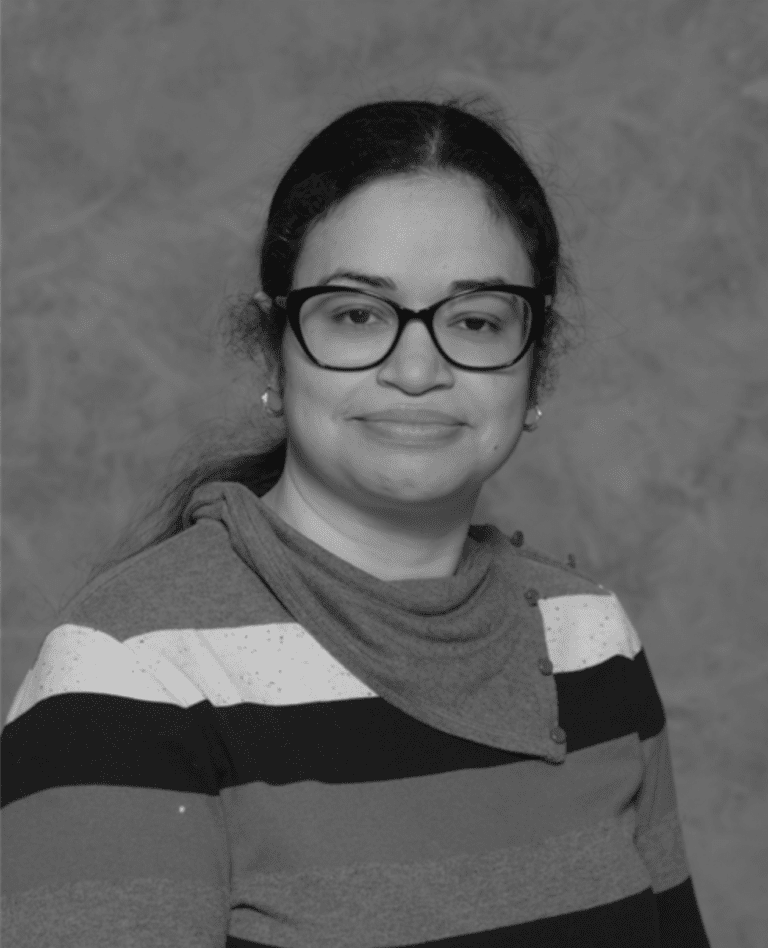
Lisette Antigua (She/Her)
Lisette holds a Bachelor’s degree in Computer Science from State University of New York at Oswego. She has a Master of Arts in Human Computer Interaction from State University of New York at Oswego and a second Master of Arts in Instructional Technology and Media from Teachers College, Columbia University. She has taught Computer Science for ten years years. Her greatest accomplishment is having students pursue a computer science degree once they leave high school. She would to continue growing as an educator to improve impacting students in computer science.
Responsible AI Fellow, Cohort 1
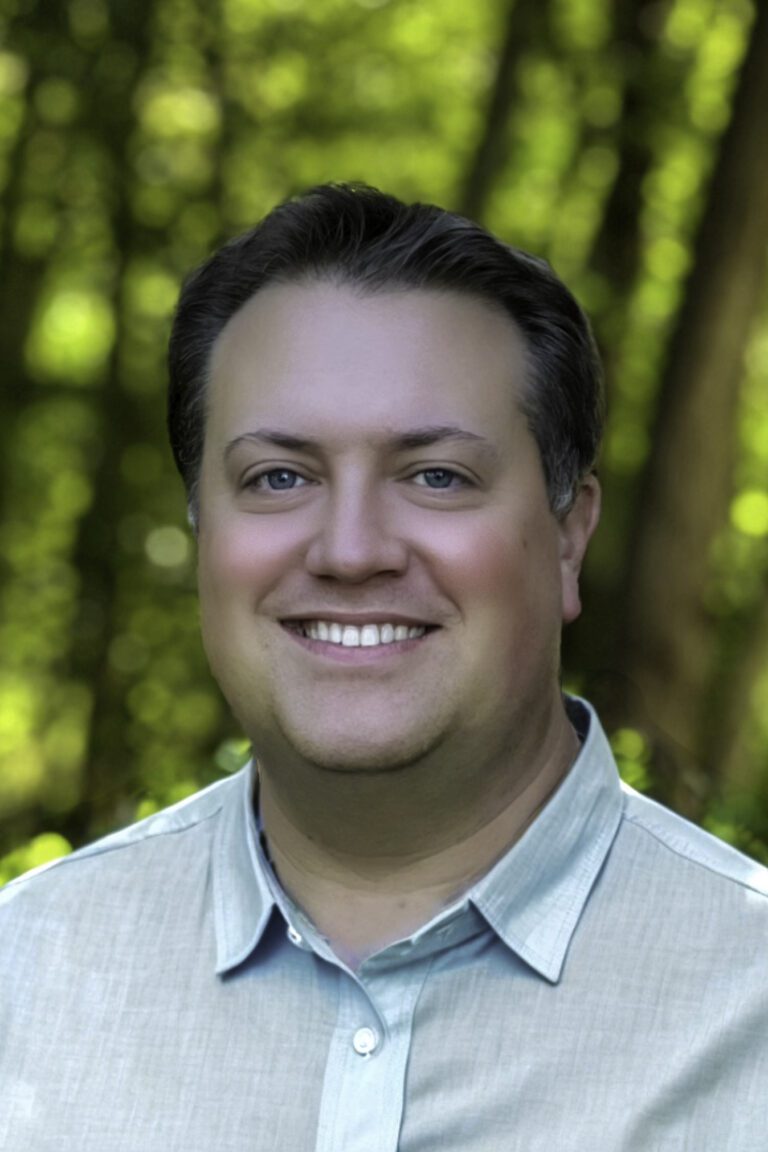
Mark John Davis (He/Him)
Mark J. Davis is a passionate Digital Literacy educator and advocate with more than two decades of experience serving in K–12 public education. Holding a Ph.D. in Education with a specialization in infographic literacy, he blends academic expertise with practical classroom insight to help students and educators navigate today’s complex media landscape. Mark is also a researcher with the Media Education Lab, where he contributes to advancing scholarship and resources in media and digital literacy. He lives in Massachusetts with his wife and two children, where he continues to champion the critical role of literacy in a digital age.
CSTA’s Responsible AI Fellowship is made possible in partnership with: