By Bradley Ditto, Dr. Cecelia Gillam, and Dr. Amanda McBride
A few years ago, I applied for a technology coordinator position. I didn’t get the job, but the application sent me down a rabbit hole I haven’t quite escaped.
I started reading everything I could about artificial intelligence in education. Not just the exciting possibilities, but the privacy policies, research, ethical questions, and potential consequences for schools. I even began speaking with families about AI.
Don’t get me wrong. I love AI. It saves time, sparks ideas, and doesn’t judge me when I ask how to spell “necessary” for the 47th time.
But the more I learned, the more I realized that educators needed something beyond another presentation about what AI could do. They needed help deciding what AI should do.
That question eventually brought the three of us together through the CSTA Responsible AI Fellowship.
Three Perspectives, One Shared Concern
We came to this work from different educational backgrounds, but we kept returning to the same concern: How do we help educators and students use generative AI responsibly without making the process unnecessarily complicated?
Technology is changing faster than many schools can develop guidance. Teachers are navigating questions about student privacy, accuracy, academic integrity, accessibility, and whether AI actually improves learning.
Some educators are excited to experiment. Others are understandably cautious. Many fall somewhere in between.
And students? They’re already encountering AI-generated information, images, videos, and explanations, whether or not their classrooms are using AI.
We didn’t want to create another resource telling teachers they needed to use more technology. We wanted to give them practical ways to make informed decisions.
That became the foundation of our Responsible AI Ready Toolkit.
Helping Students Question What They See
For Cecelia, a science educator with more than 21 years of classroom experience, responsible AI begins with something scientists have always done: questioning evidence.
Her lesson, Real or Fake? The Age of AI in the Science Classroom, challenges students to examine articles, images, graphs, and videos that may contain misleading or AI-generated information.
Instead of immediately revealing whether something is authentic, students must explain their reasoning.
What evidence supports their conclusion? Is the source credible? Could a professional-looking graph still be misleading? What additional information would help them decide?
The lesson also creates opportunities to explore the ethical and environmental implications of AI.
The goal isn’t to make students afraid of technology. It’s to help them become thoughtful consumers of information who understand that something looking convincing doesn’t automatically make it true.
These skills extend well beyond science classrooms. Every student needs opportunities to question information, verify claims, and consider the consequences of technology.
Giving Teachers Something They Can Actually Use
For Amanda, the challenge was translating responsible AI principles into decisions teachers make every day.
Teachers don’t necessarily need another lengthy training or a list of AI tools that may be outdated next semester. They need resources that help answer questions such as: Should I use AI for this lesson? What information needs protection? How will I know students are still learning?
That thinking led to a collection of teacher-facing resources, including a Readiness Checklist, Teacher Decision Tree, classroom expectations, assignment labels, planning templates, student disclosure tools, and classroom scenarios.
Each resource is designed to stand alone. A teacher might use the Decision Tree to determine whether AI belongs in an assignment, then use the Assignment Labels to communicate exactly what students are permitted to do.
One question became particularly important during development: What learning might students lose when AI makes a task easier?
It’s easy to recognize the benefits of faster feedback, instant explanations, or AI-generated ideas. But if AI completes the very thinking students need to practice, have we actually improved the learning experience?
Our Benefits, Learning Trade-Offs, Risks, and Teacher Responses Guide encourages educators to consider not only what AI adds, but what it might unintentionally remove.
Sometimes AI eliminates a barrier to learning. Other times, it eliminates the learning itself. Teachers need to recognize the difference.
We also wanted these resources to work in schools with limited devices, unreliable internet, restricted AI tools, or students who cannot access paid features. Responsible AI education shouldn’t depend on having the newest technology.
Bringing the Pieces Together
Brad’s work emphasizes the questions educators and school leaders need to ask before adopting AI. Cecelia’s lesson helps students evaluate the information AI produces. Amanda’s teacher resources support the instructional decisions that connect those conversations to everyday classroom practice.
Together, these components form one adaptable toolkit rather than a prescribed curriculum.
We’ve organized the resources into an interactive Book Creator publication so educators can explore the materials, access printable resources, and choose what fits their needs.
Our hope is that teachers will use the toolkit individually, during collaborative planning, or as part of professional learning. We also want the resources to encourage conversations across computer science, science, English language arts, and other subjects.
The Questions Matter More Than the Tool
We cannot predict what generative AI will look like five years from now. We can’t anticipate every new platform, capability, or challenge our students will encounter.
But we can help educators and students develop habits that remain valuable regardless of the technology.
Question the output. Verify the information. Protect privacy. Consider who benefits, who might be excluded, and what learning needs to remain human.
The prompt may be the easy part.
Knowing when to use AI, what to question, and what thinking to preserve is where responsible learning begins.
Check out the Responsible AI Ready Toolkit
About the Authors
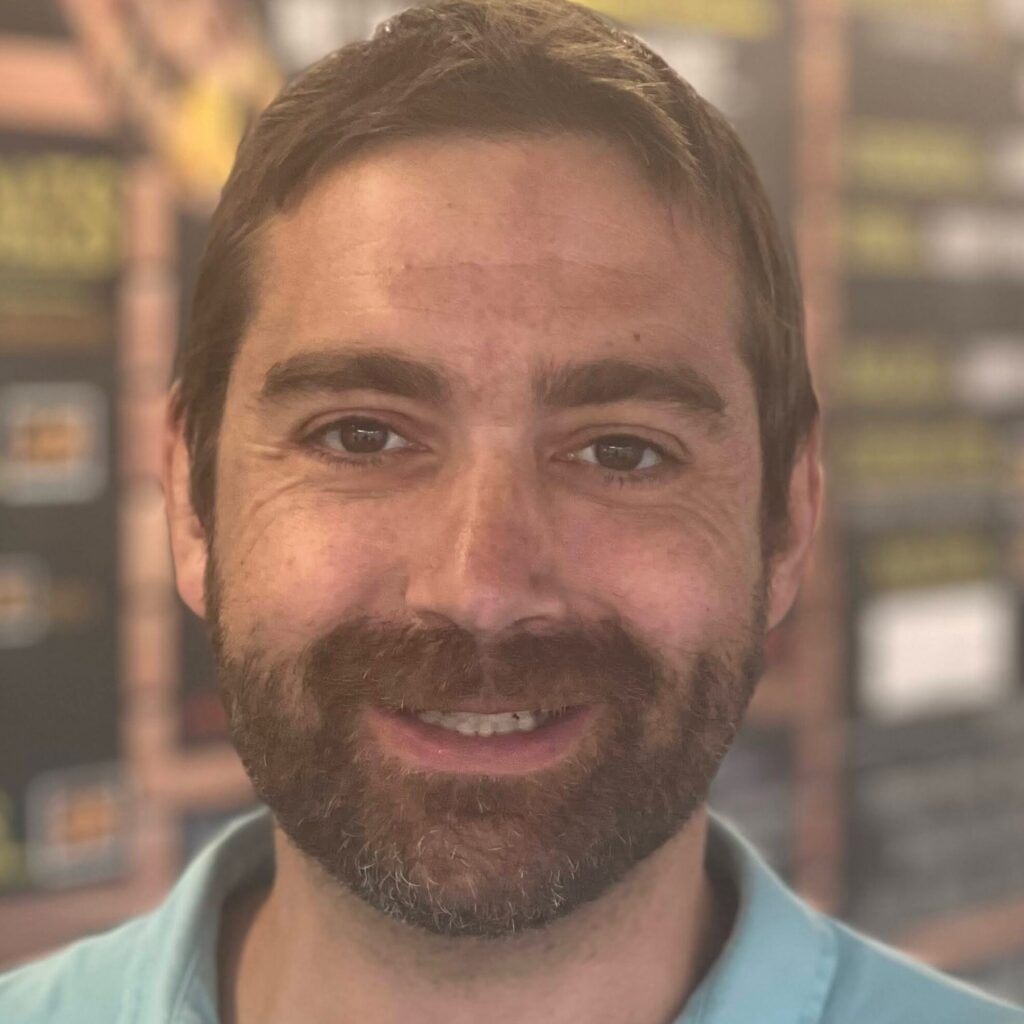
Bradley Ditto is a fourth grade teacher and technology education specialist in Allegany County Public Schools (ACPS) in Maryland. With a background in elementary and technology education, Brad is committed to making computer science and AI accessible to younger learners. Currently pursuing his Computer Science teaching certification, Brad develops innovative approaches to integrating CS with place-based learning and local history, focusing on narrowing equity gaps in elementary CS education.
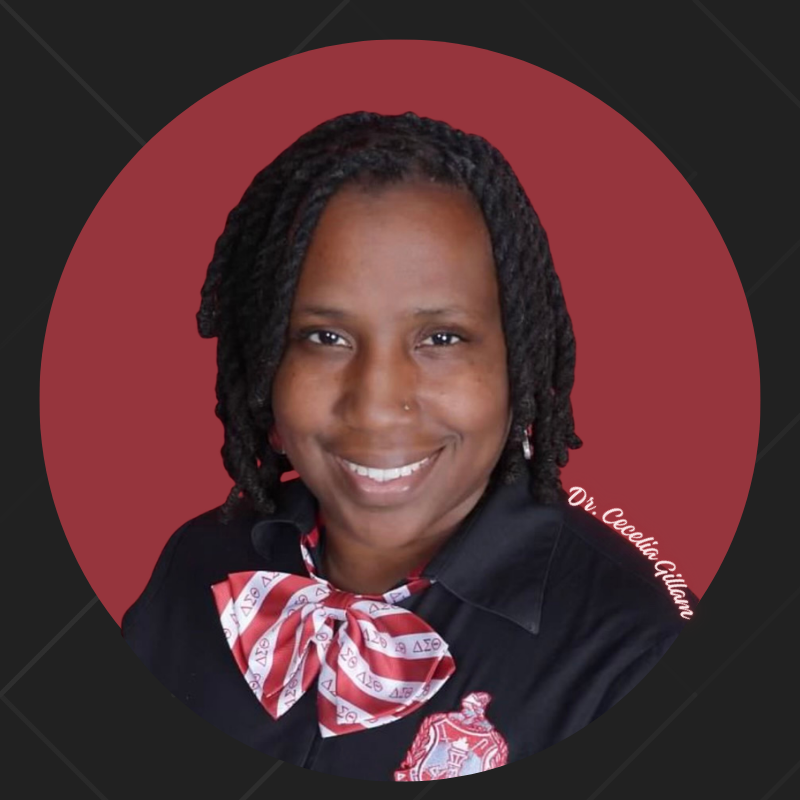
Dr. Cecelia Gillam has a Doctorate in Educational Leadership and has been teaching STEAM classes for over twenty years. She teaches at Benjamin Franklin High School in New Orleans, LA. She has won numerous awards, including the ISTE Luminary Award, and authored a book titled Black Girl, Black Girl you are AMAZING!

Dr. Amanda McBride is a high school Computer Science educator in rural Tennessee who is passionate about expanding access to innovative technology education and authentic STEM experiences for students. With a background in computer science, English, science, and social studies education, she focuses on interdisciplinary, project-based learning that connects emerging technologies to real-world problem solving.